8 hr
Old & New Delhi Private Half-Day or Full-Day Tour
- Private experience
- Personal attention
- Premium amenities
- Free cancellation
Lotus Temple Tickets — Free Entry & Guided Delhi Visits
Twenty-seven marble petals open, nine still pools answer.
Compare fares, pick the fit — all bookings are mobile-voucher and eligible for free cancellation where shown.
8 hr
3 hr
3 hr
| Experience | Duration | Rating | Pickup | Guide | Small group | Free cancel. | Price | |
|---|---|---|---|---|---|---|---|---|
|
Luxury / Private
Most popular
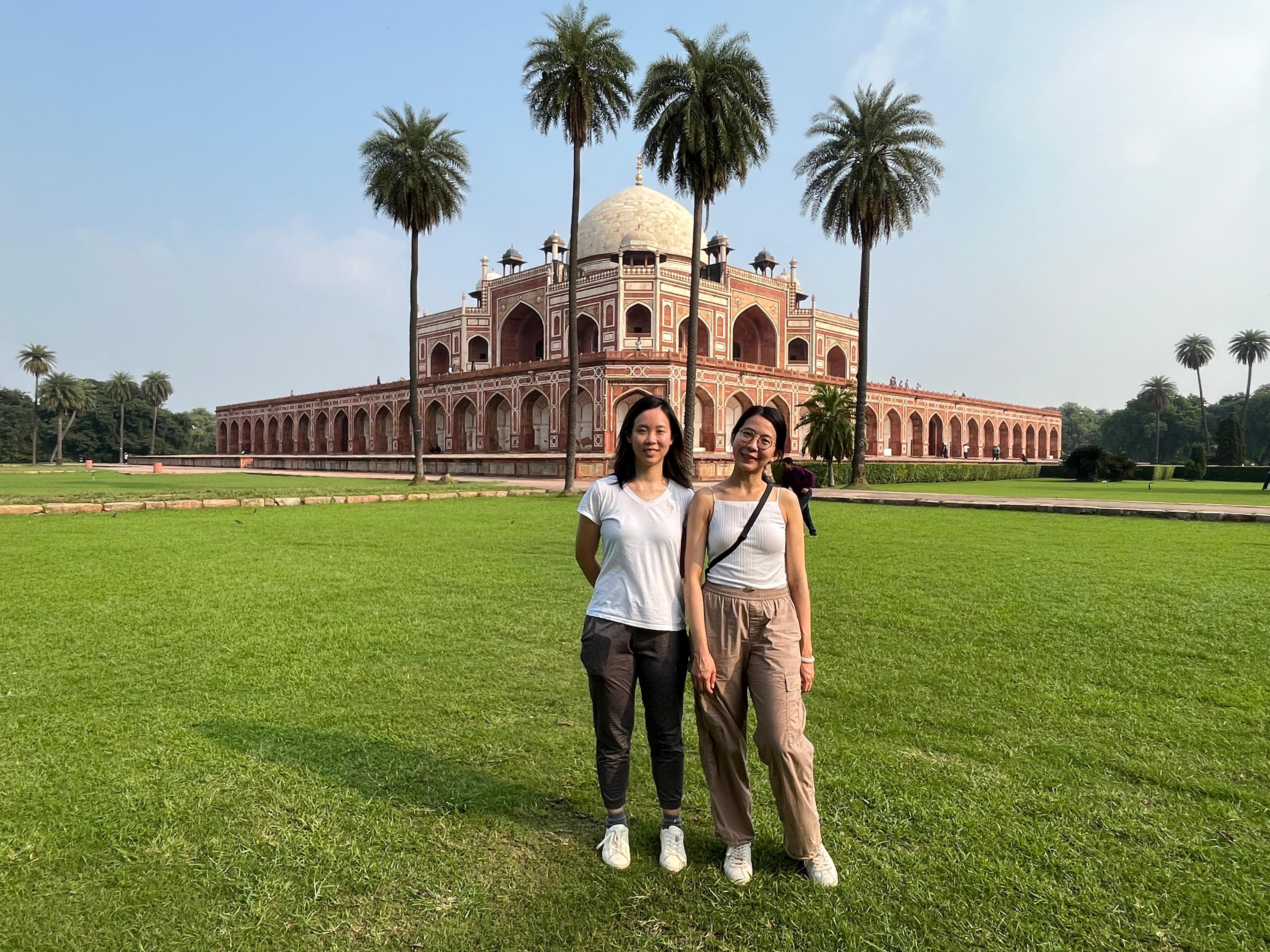
Old & New Delhi Private Half-Day or Full-Day Tour
|
8 hr | ★ 4.9 | ✓ | — | — | ✓ | €2 | Book → |
|
Standard Entry
Sanjay Colony Slum Tour with Local Guide, Delhi
|
3 hr | ★ 5.0 | — | ✓ | ✓ | ✓ | €18 | Book → |
|
Guided Experience
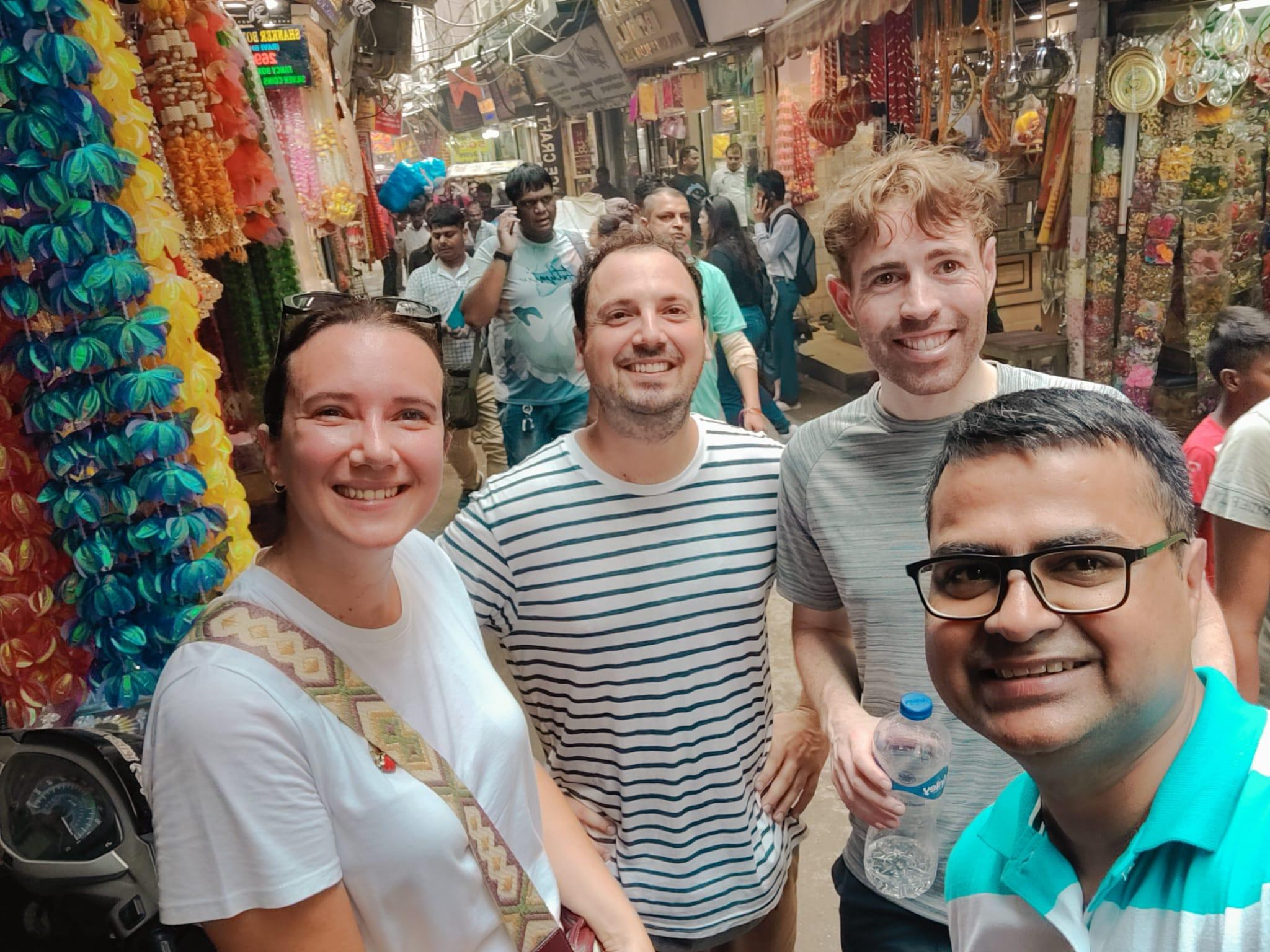
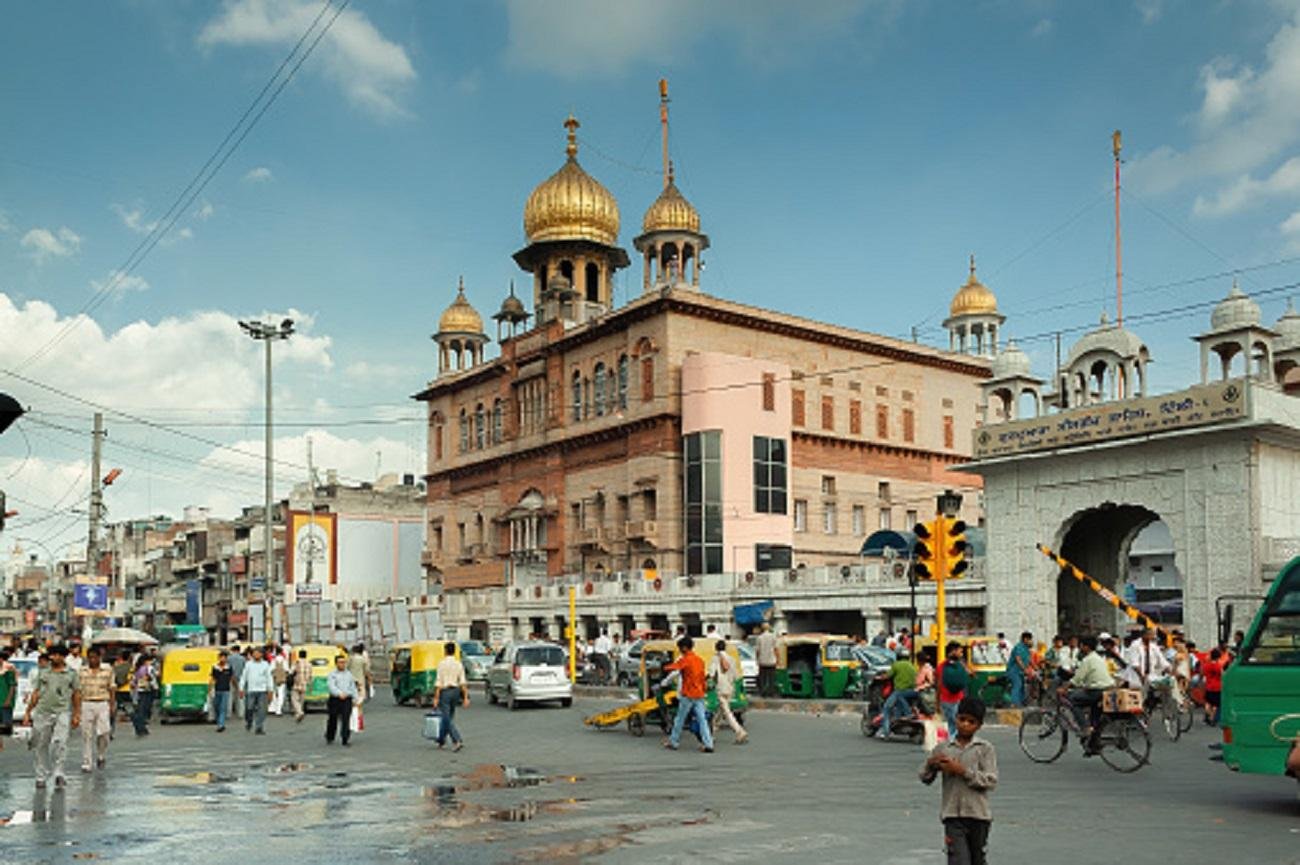
Old Delhi Walking Tour: Spices, Bazaars & Mughal Heritage
|
3 hr | ★ 5.0 | — | ✓ | ✓ | ✓ | €11 | Book → |
Hand-picked experiences loved by thousands of travelers
3 - 5 hours
Free Cancellation
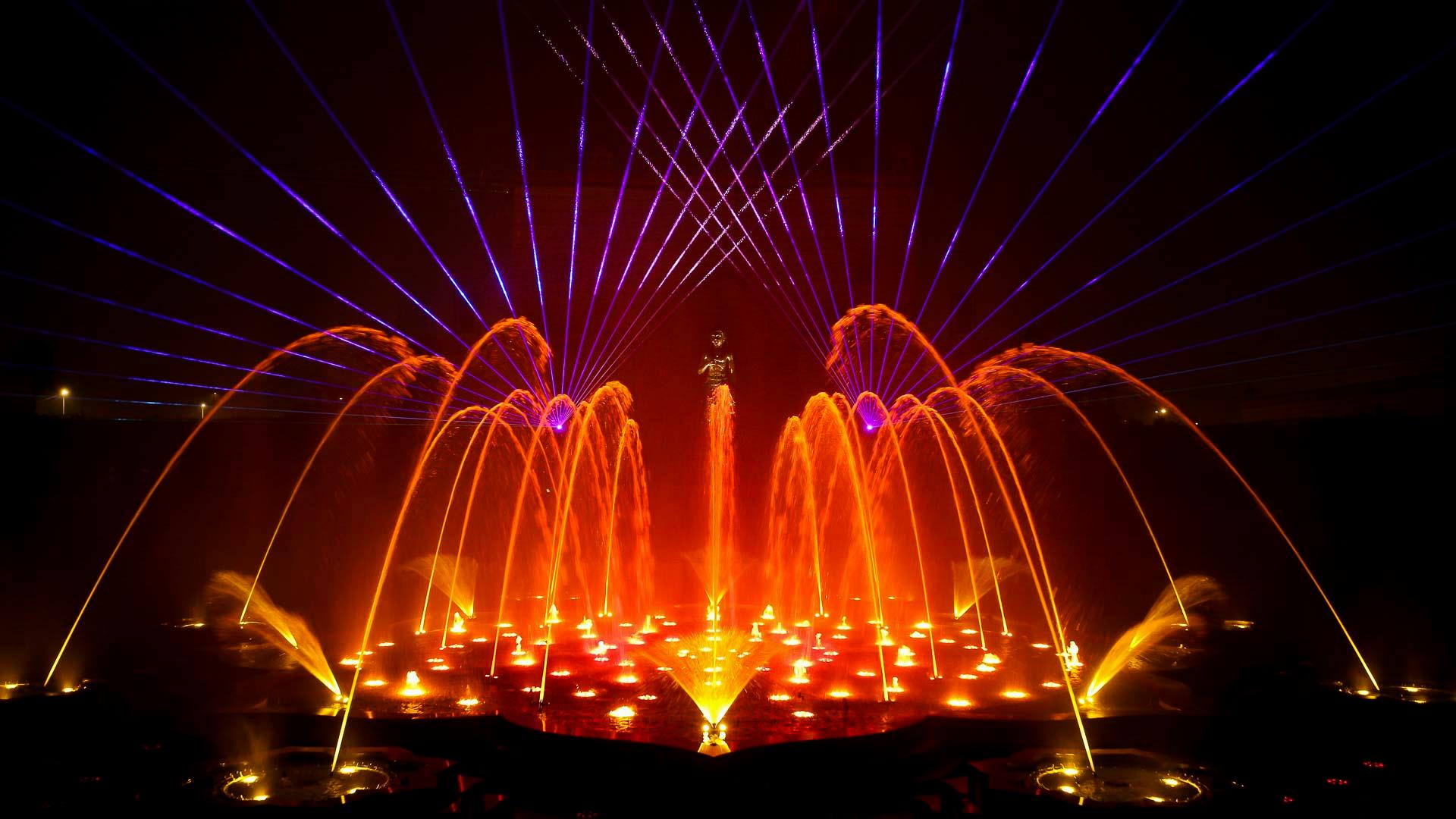
Private Akshardham Temple tour with evening light show, plus flexible cultural add-ons across Delhi.
4 - 7 hours
Free Cancellation
Explore Delhi's Mughal past and modern present with a private guide, tuk-tuk ride, and A/C car transfers.
3 hours
Free Cancellation
A peaceful half-day escape to Delhi's iconic Lotus Temple, with private A/C car pickup and a guide.
1.5 - 2.5 hours
Free Cancellation
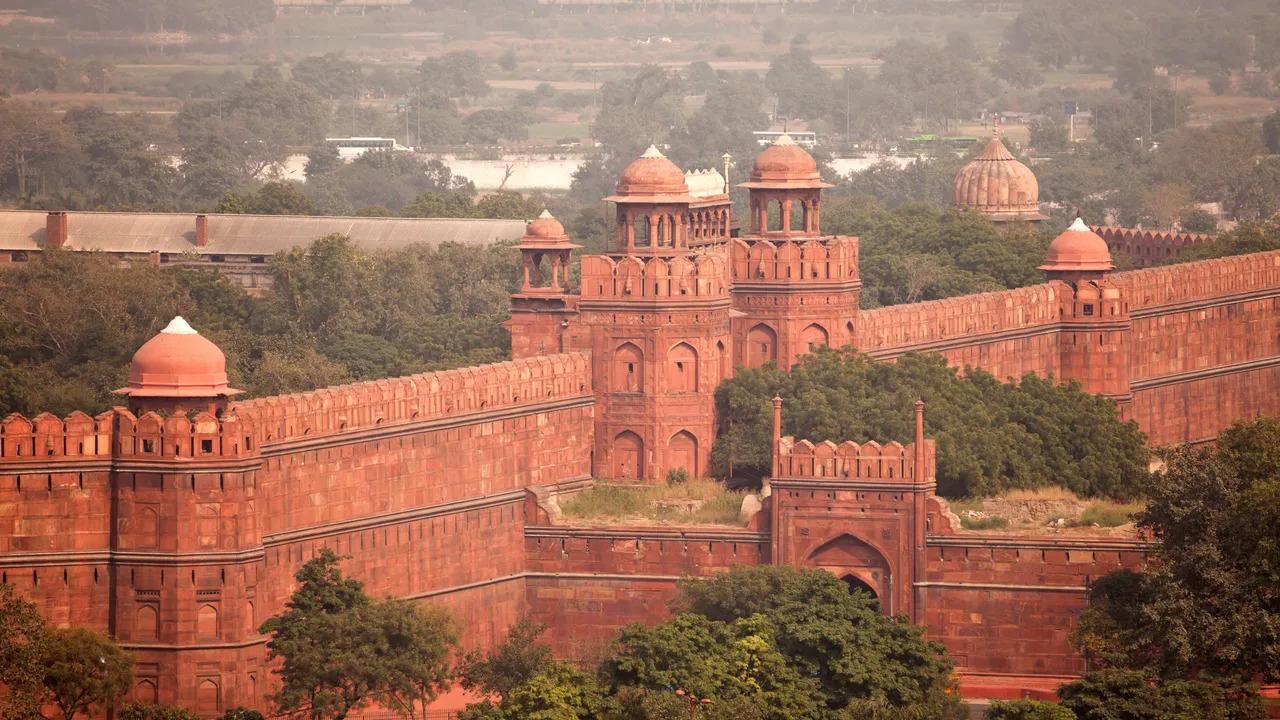
Walk through Shah Jahan's red sandstone fortress with a guide who brings the Mughal era to life.
4 - 8 hours
Free Cancellation
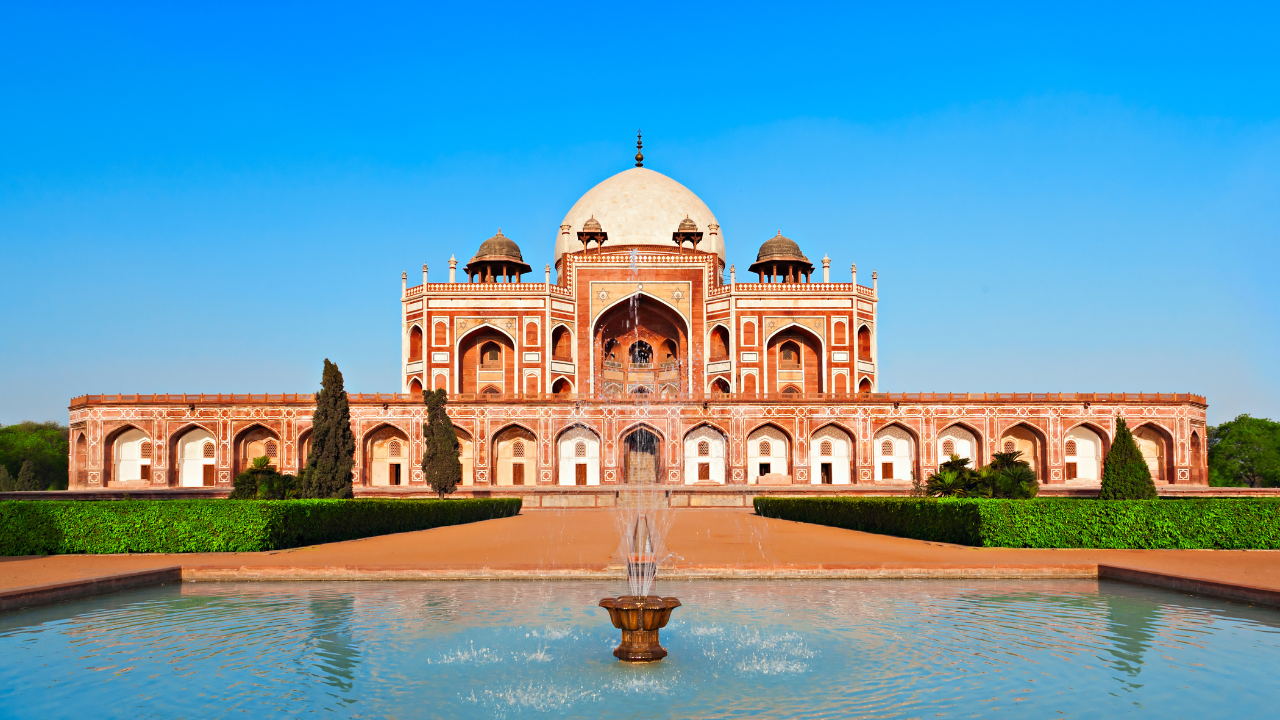
Private AC tour blending Old Delhi's bazaars with New Delhi's monuments and gardens.
Enter through the outer gate, pass the bag check and metal detector, and join the entry queue toward the gardens.
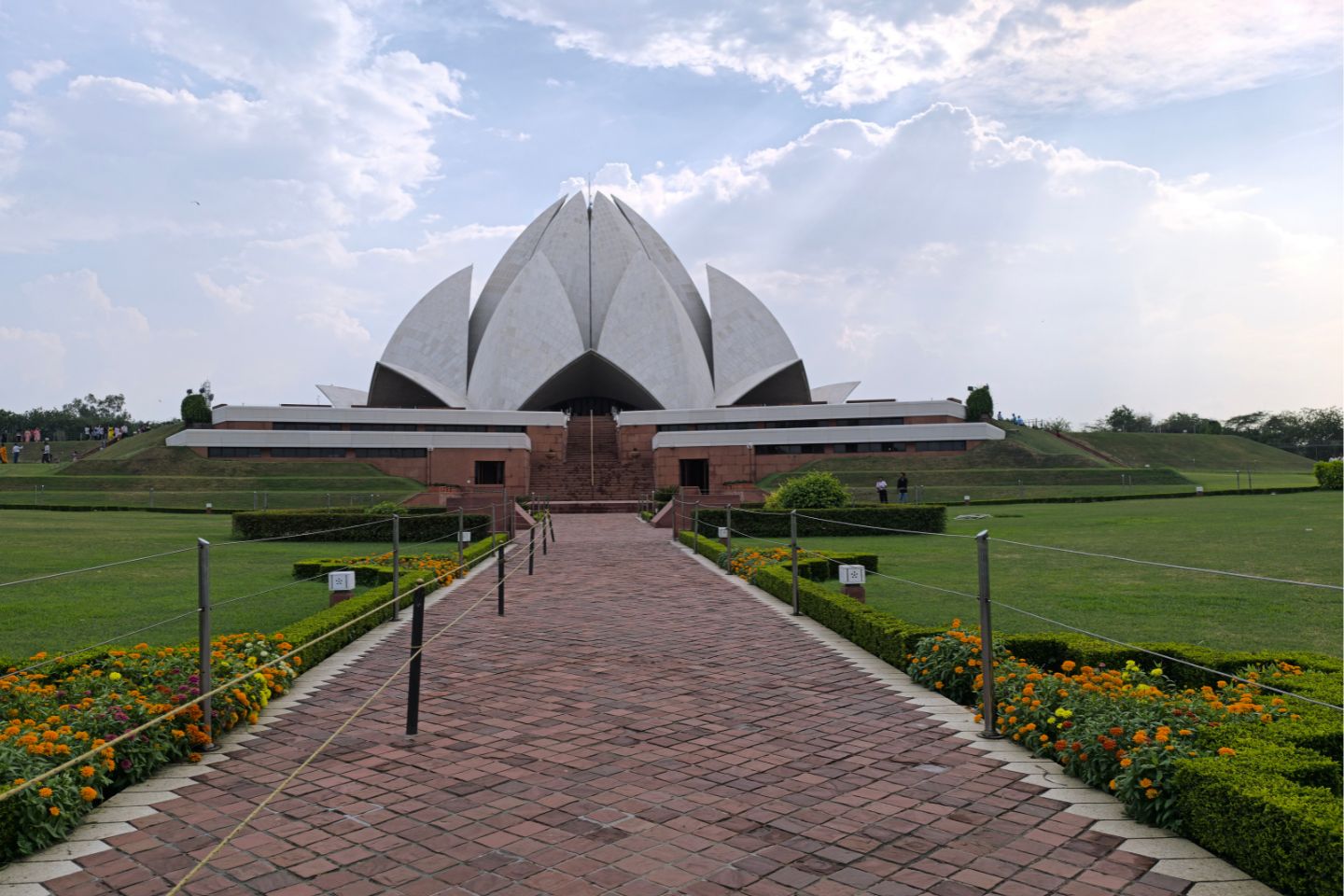
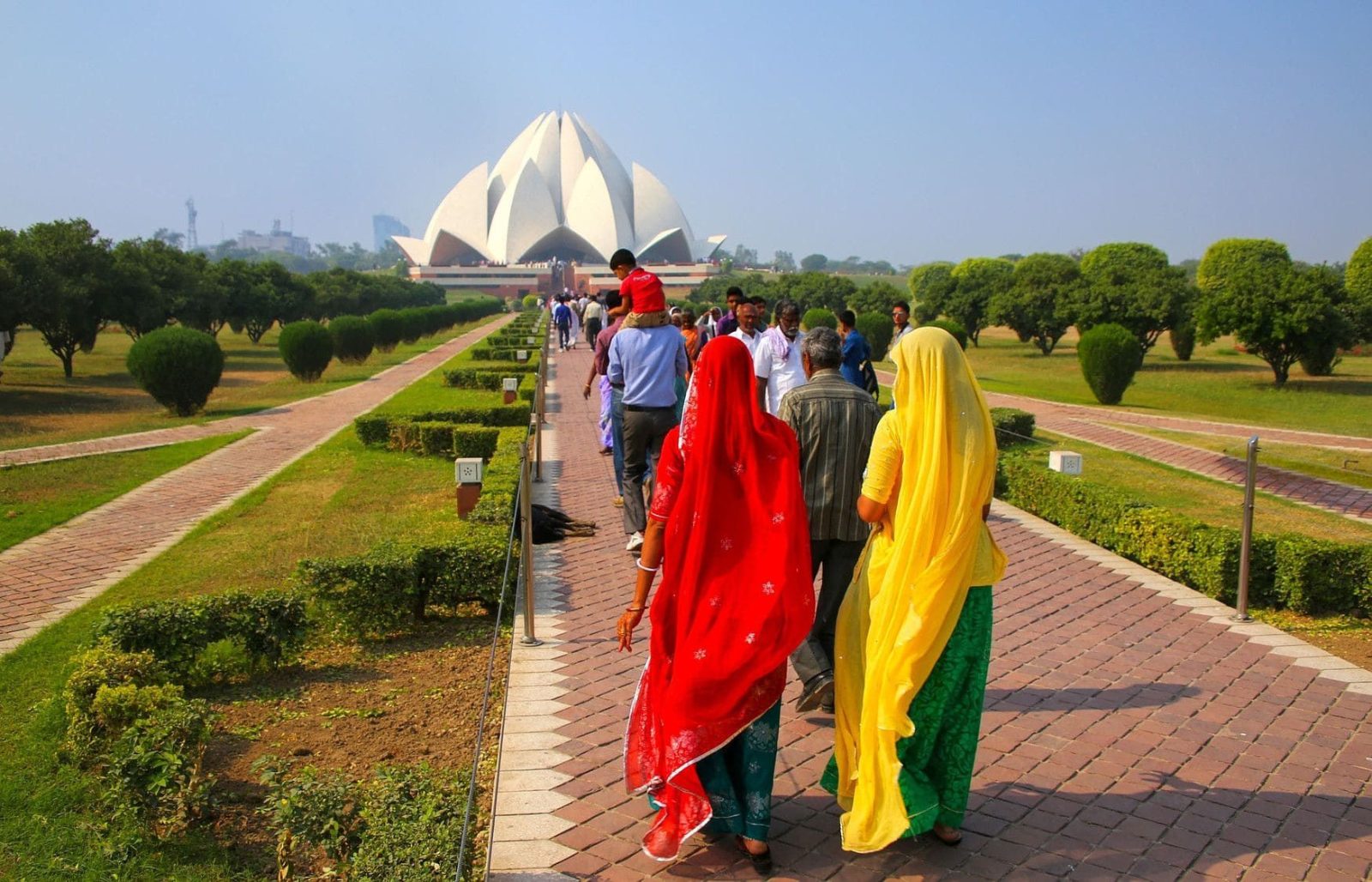
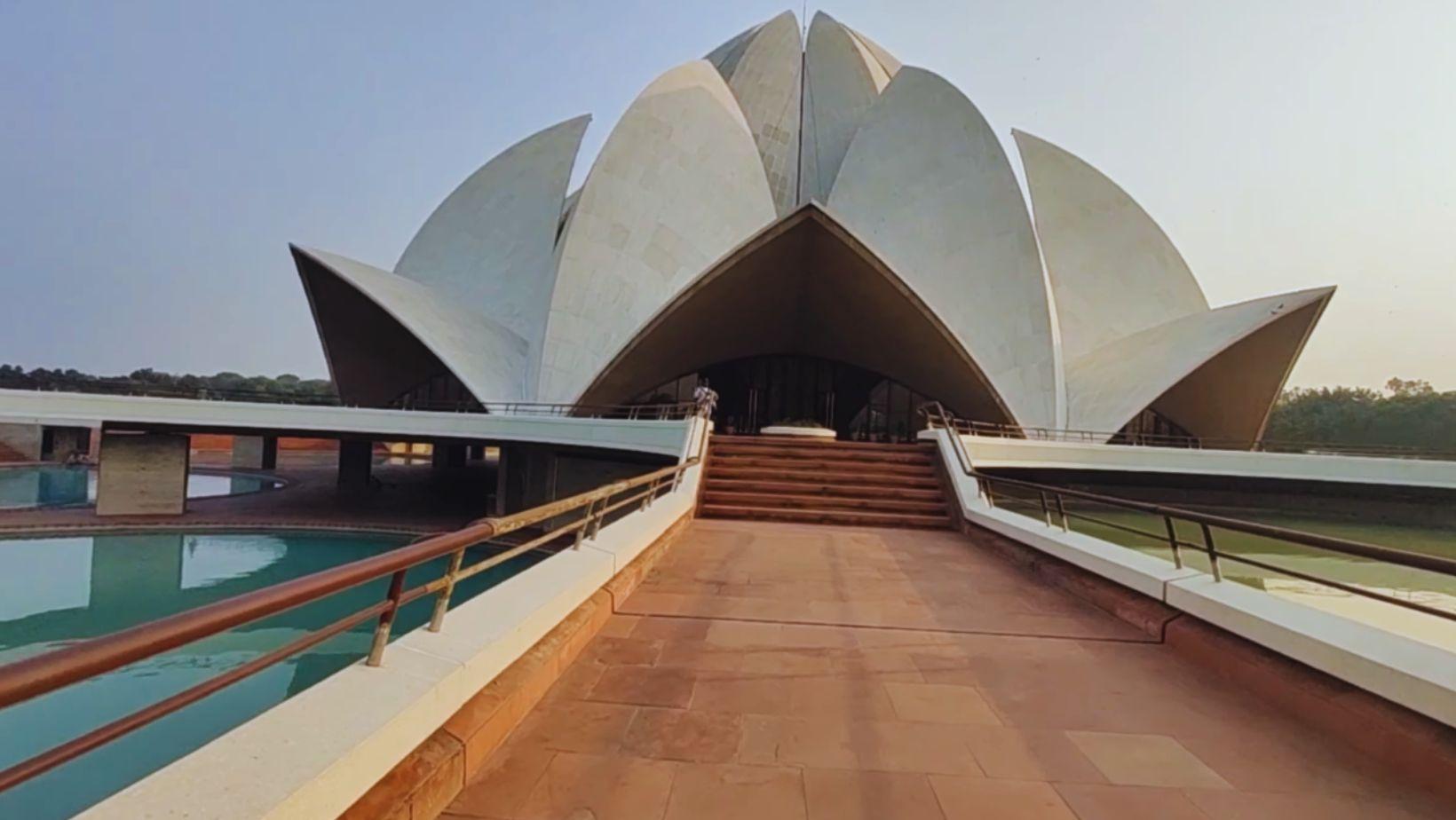
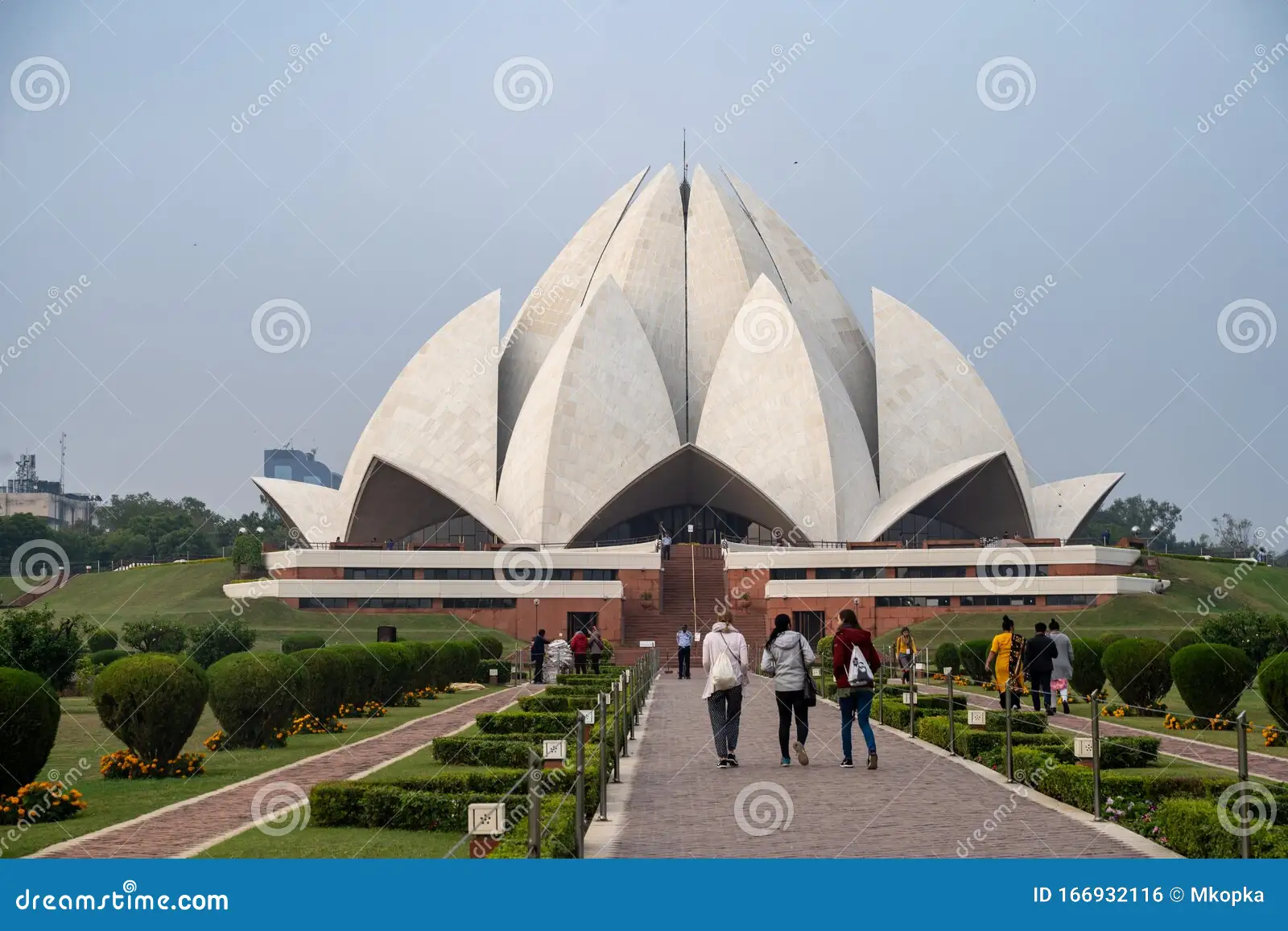
Follow the pathway past the nine reflecting pools toward the base of the petal structure, pausing for exterior photos.
Leave footwear in the free bag provided about 100 meters before the staircase, then climb to one of the nine entrances.
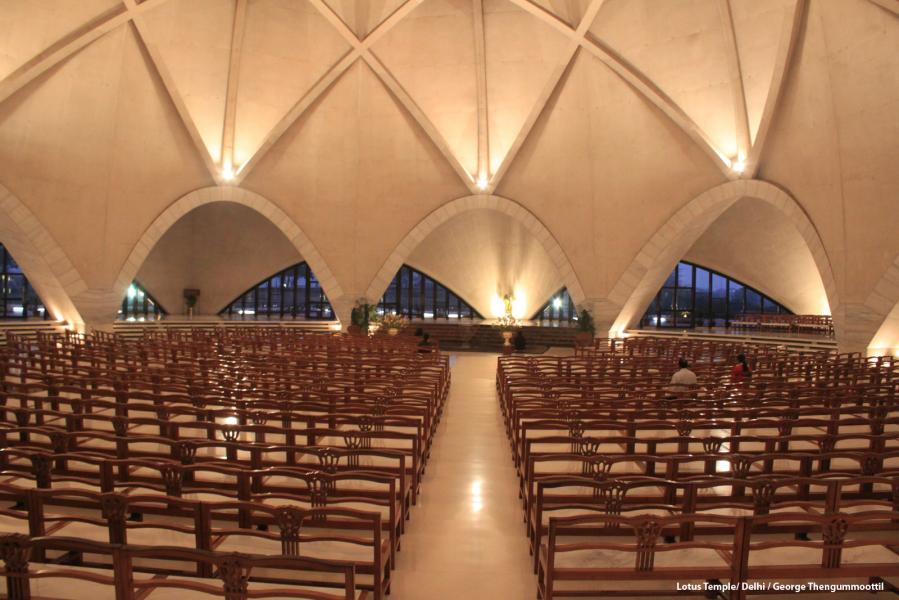
Sit quietly in the 40-meter-high hall; no photography, talking, or phones are permitted inside.
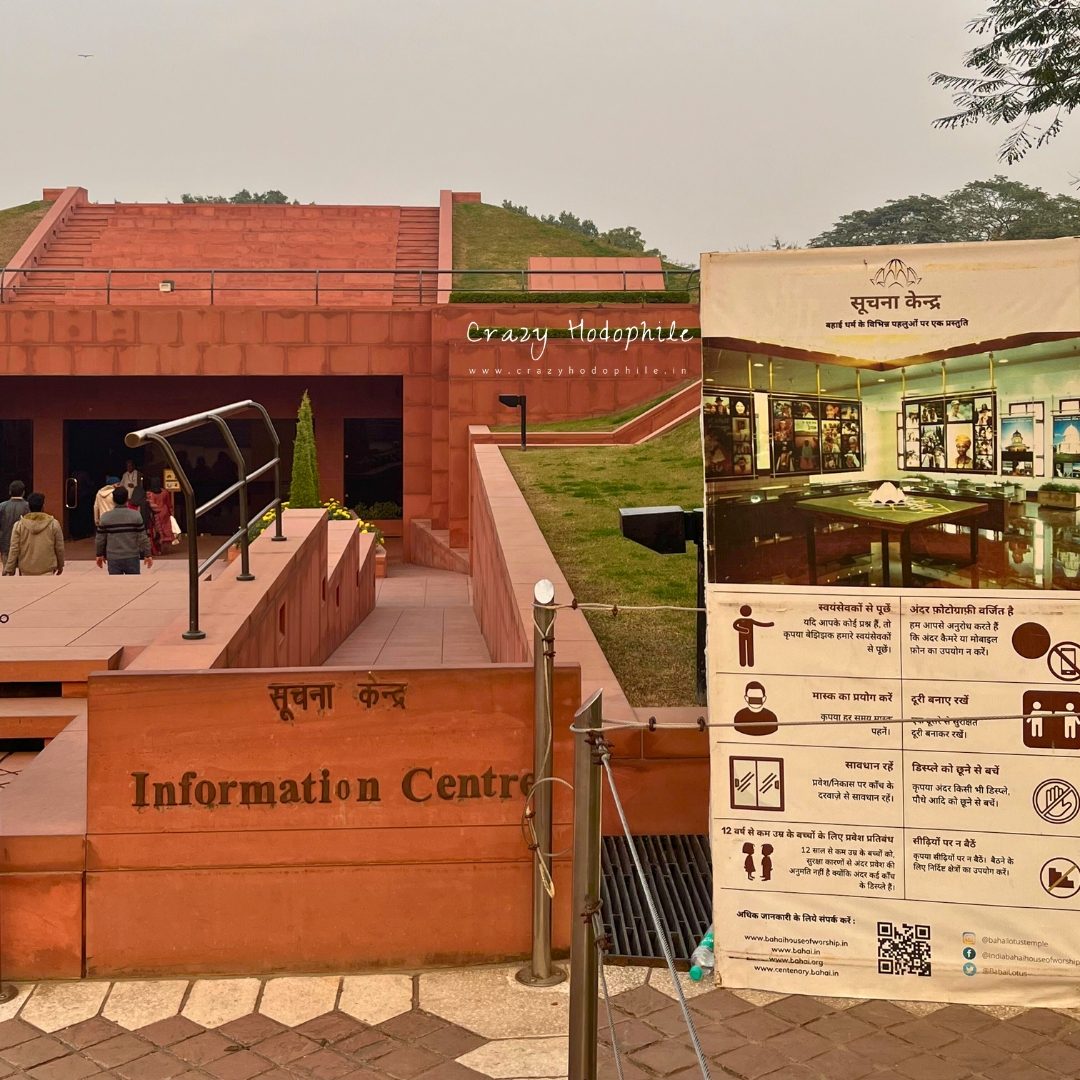
Exhibits near the exit cover the Bahá'í Faith and the building's construction history.
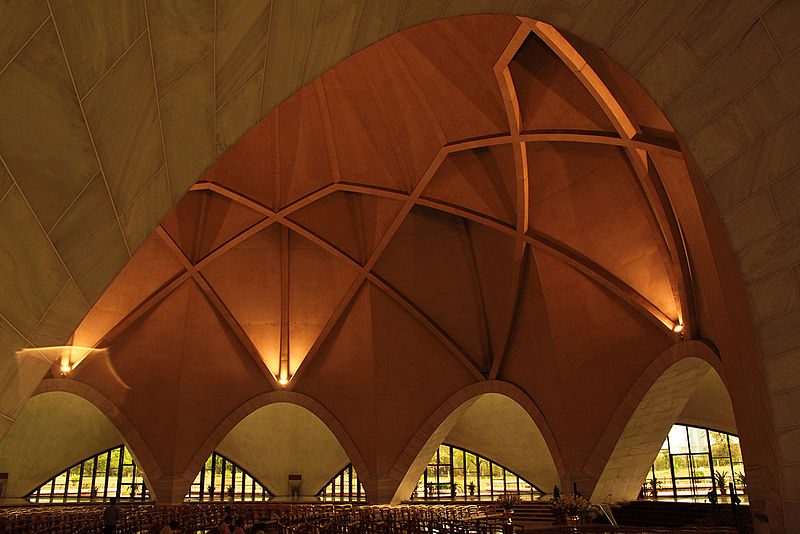
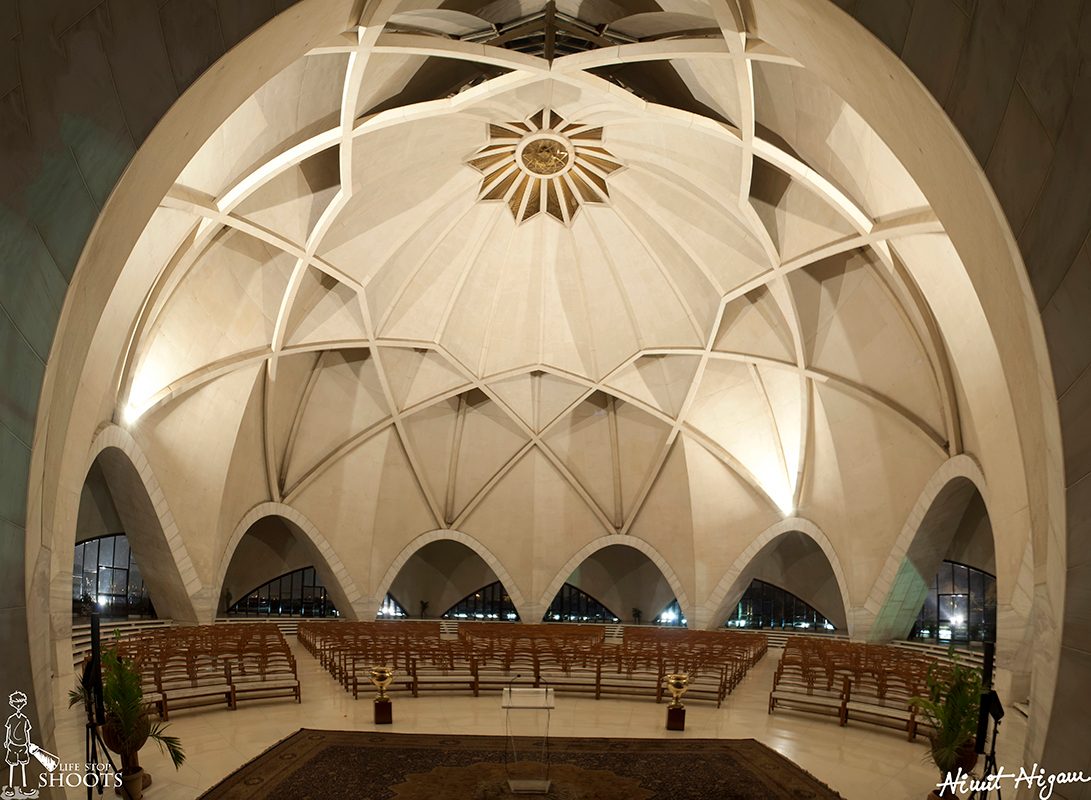
A column-free hall over 34 meters tall that seats roughly 1,300 to 2,500 visitors, held up entirely by the petal structure with no internal pillars, statues, or altar.
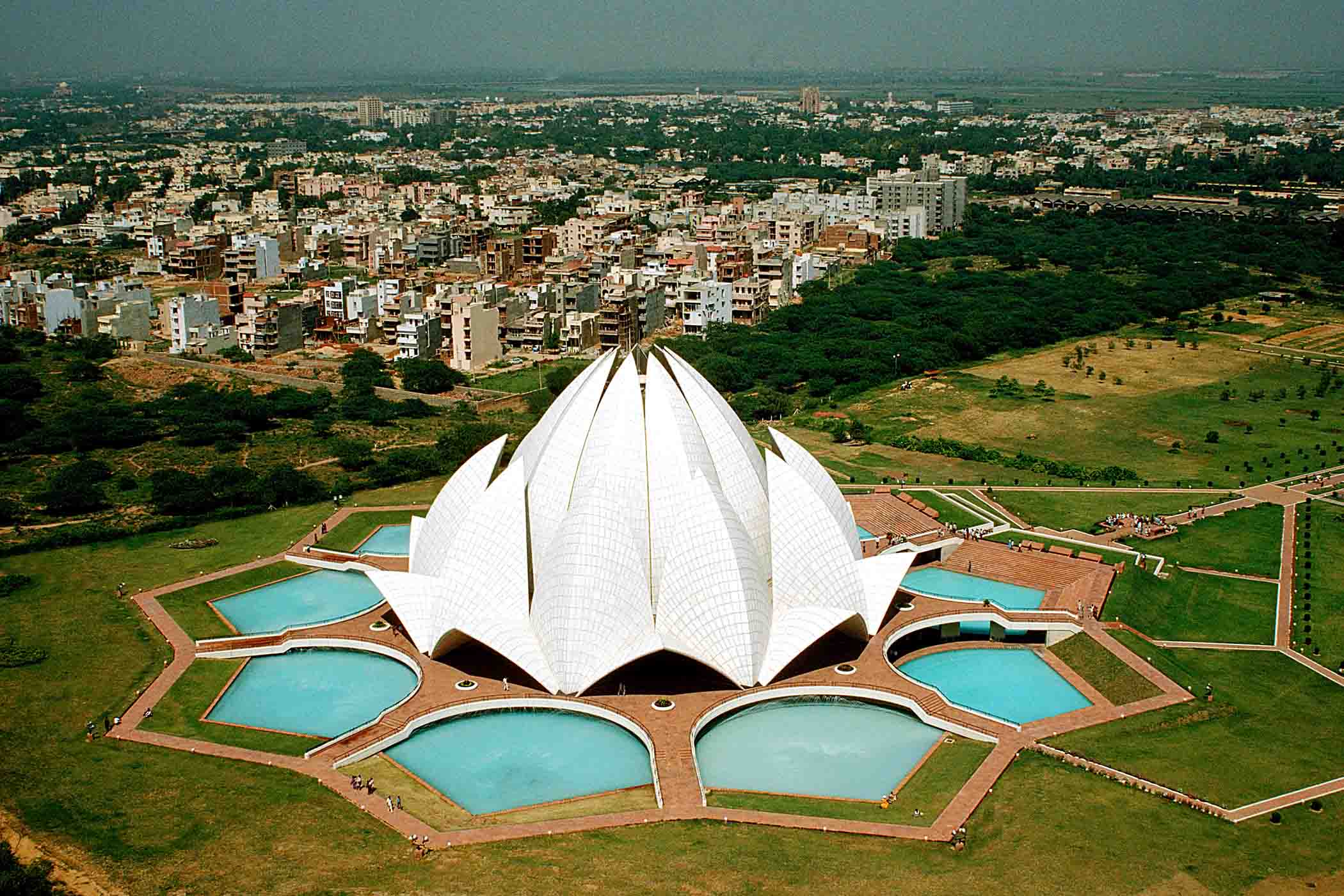
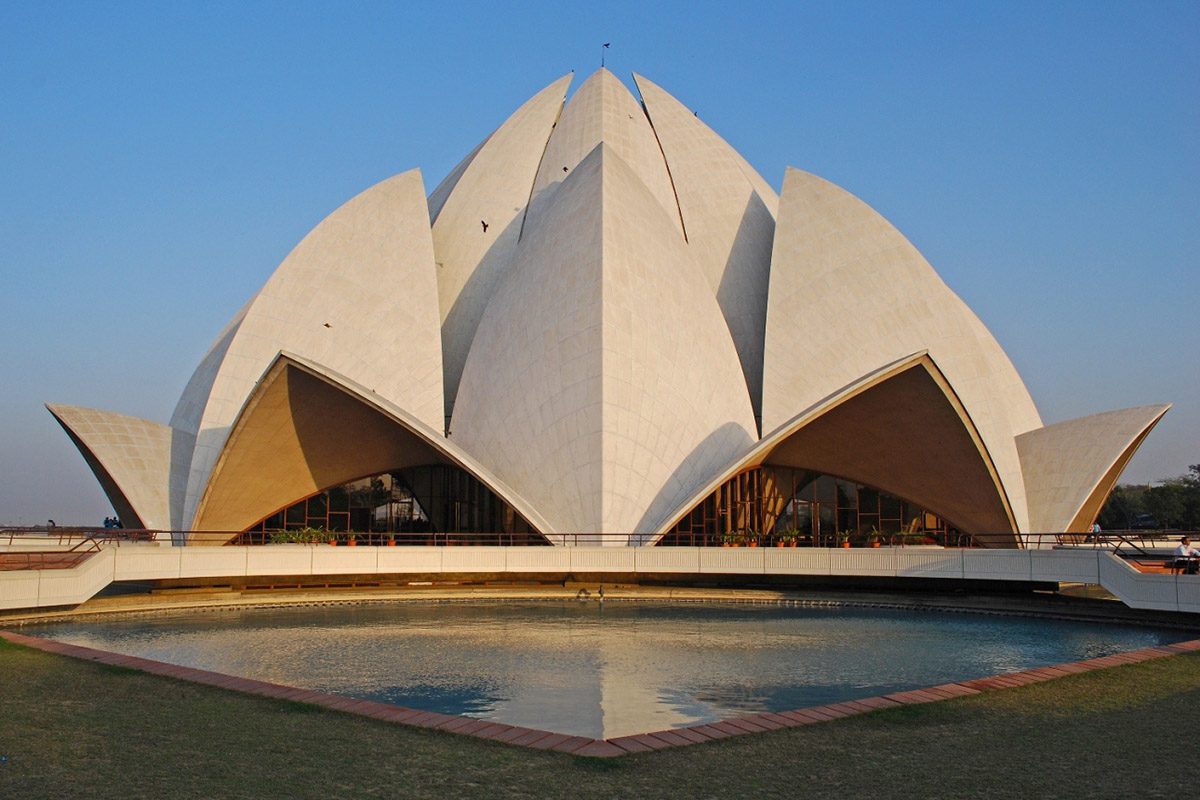
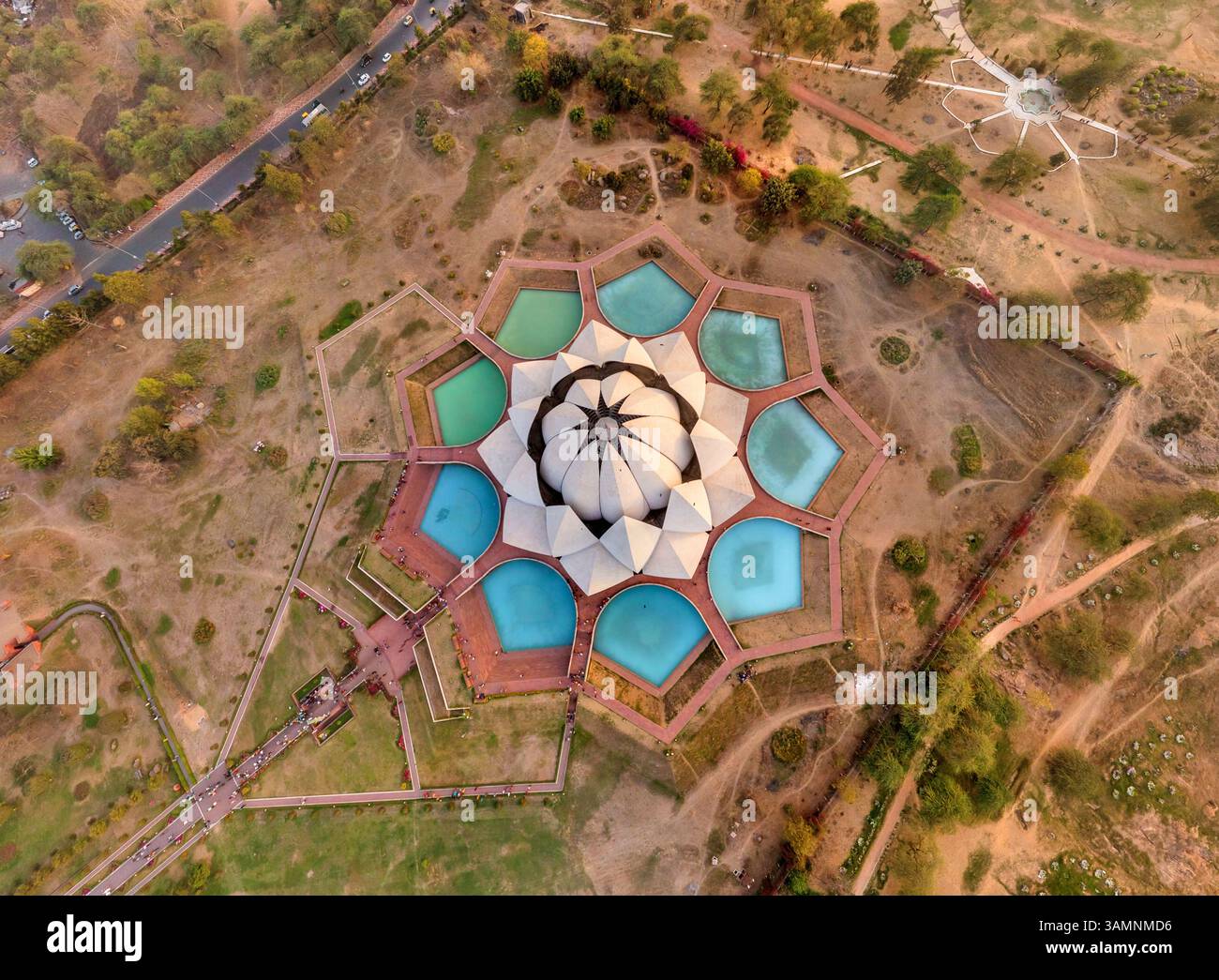
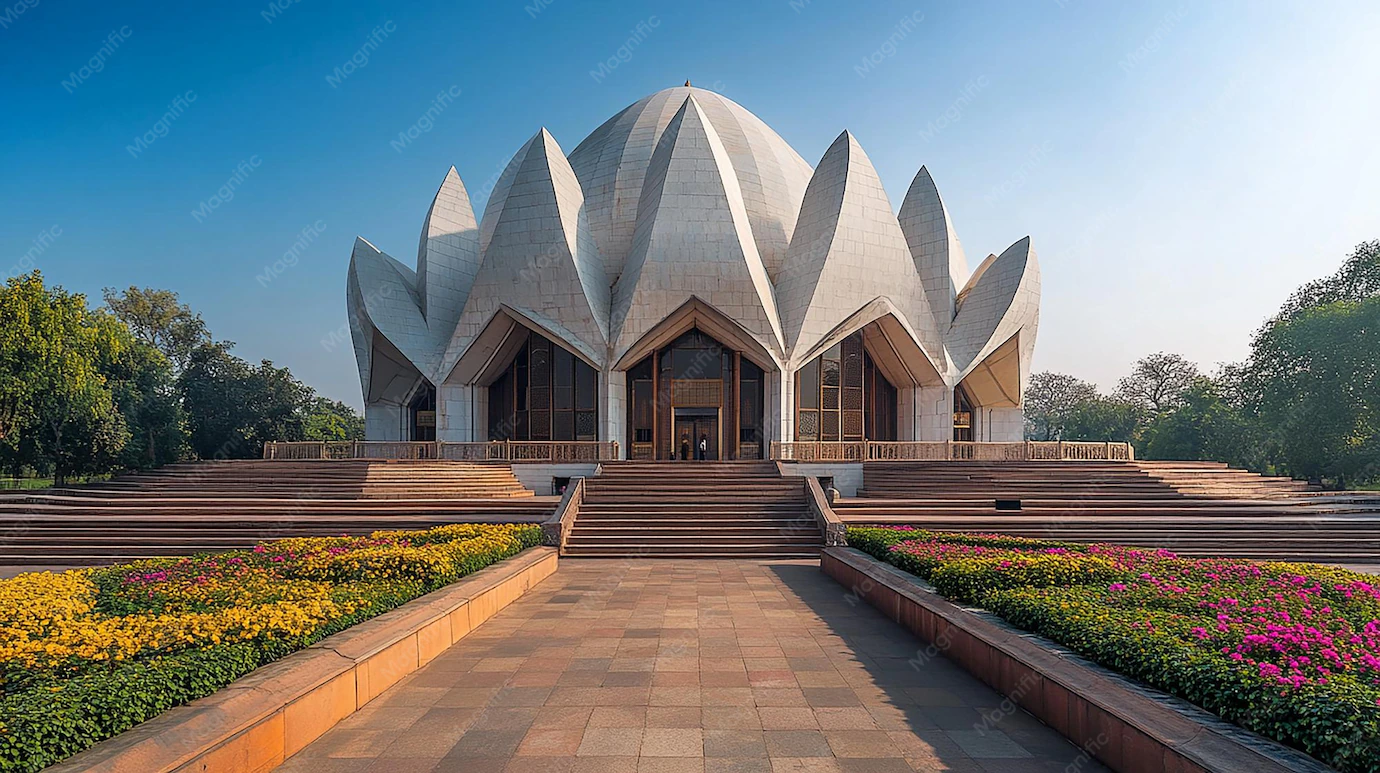
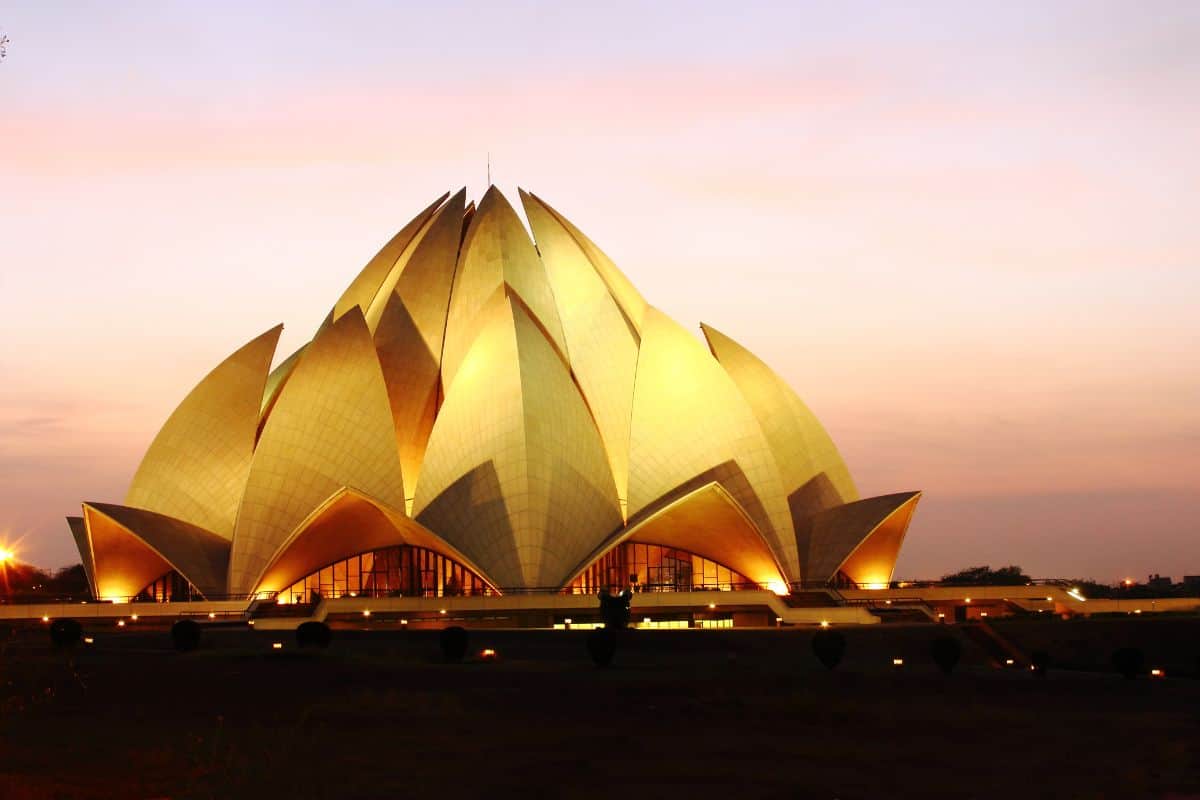
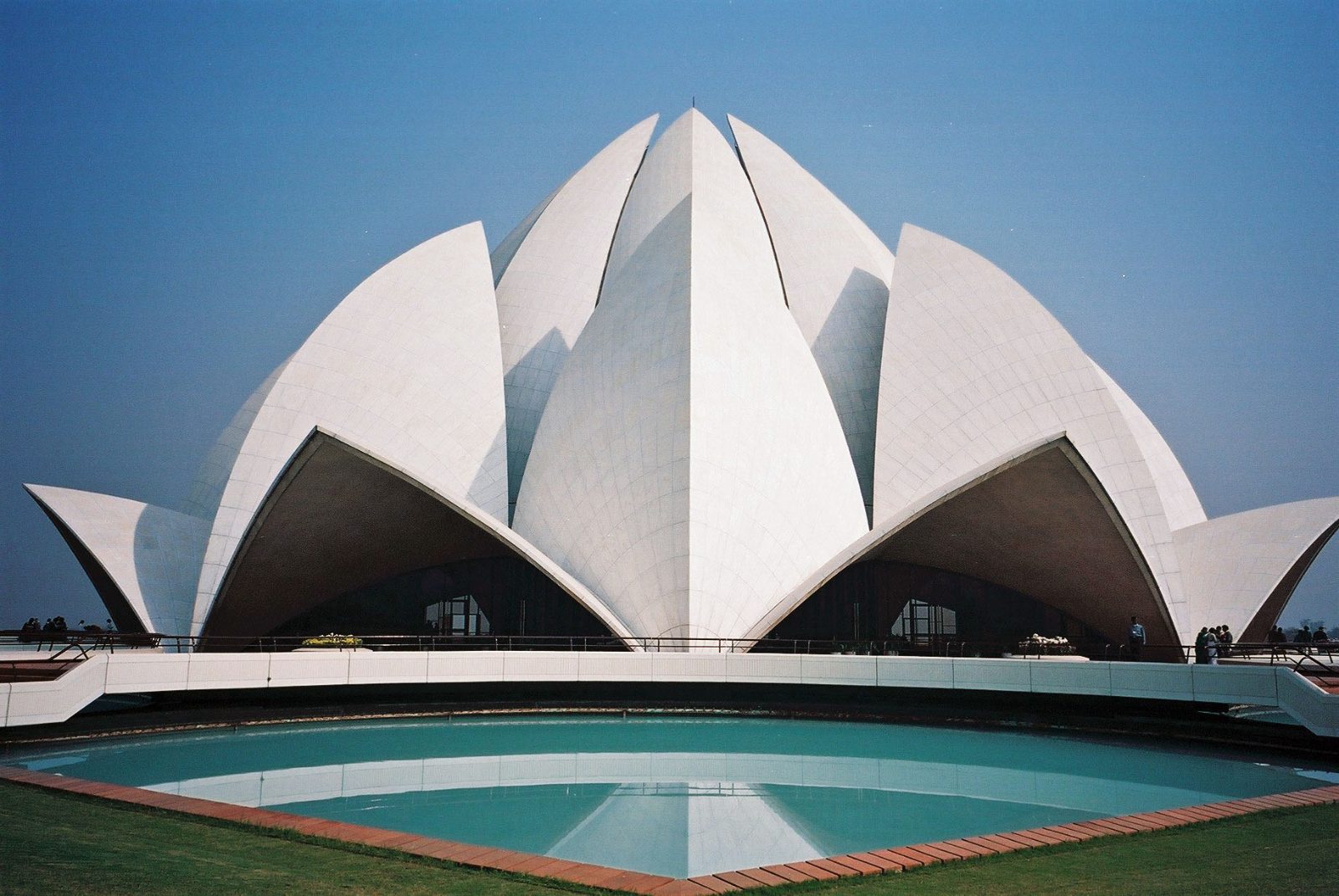
The building's signature form is made of 27 free-standing concrete petals clad in Greek marble, arranged in three ranks of nine to create the temple's nine-sided silhouette.
Nine reflecting pools ring the plinth and are crossed by nine walkways leading to nine doors, creating the illusion of a lotus floating on water while also cooling the air around the hall.
Each of the nine sides has its own doorway formed by the outward-curving third layer of petals, symbolizing the Bahá'í belief that all paths of faith lead to one truth.
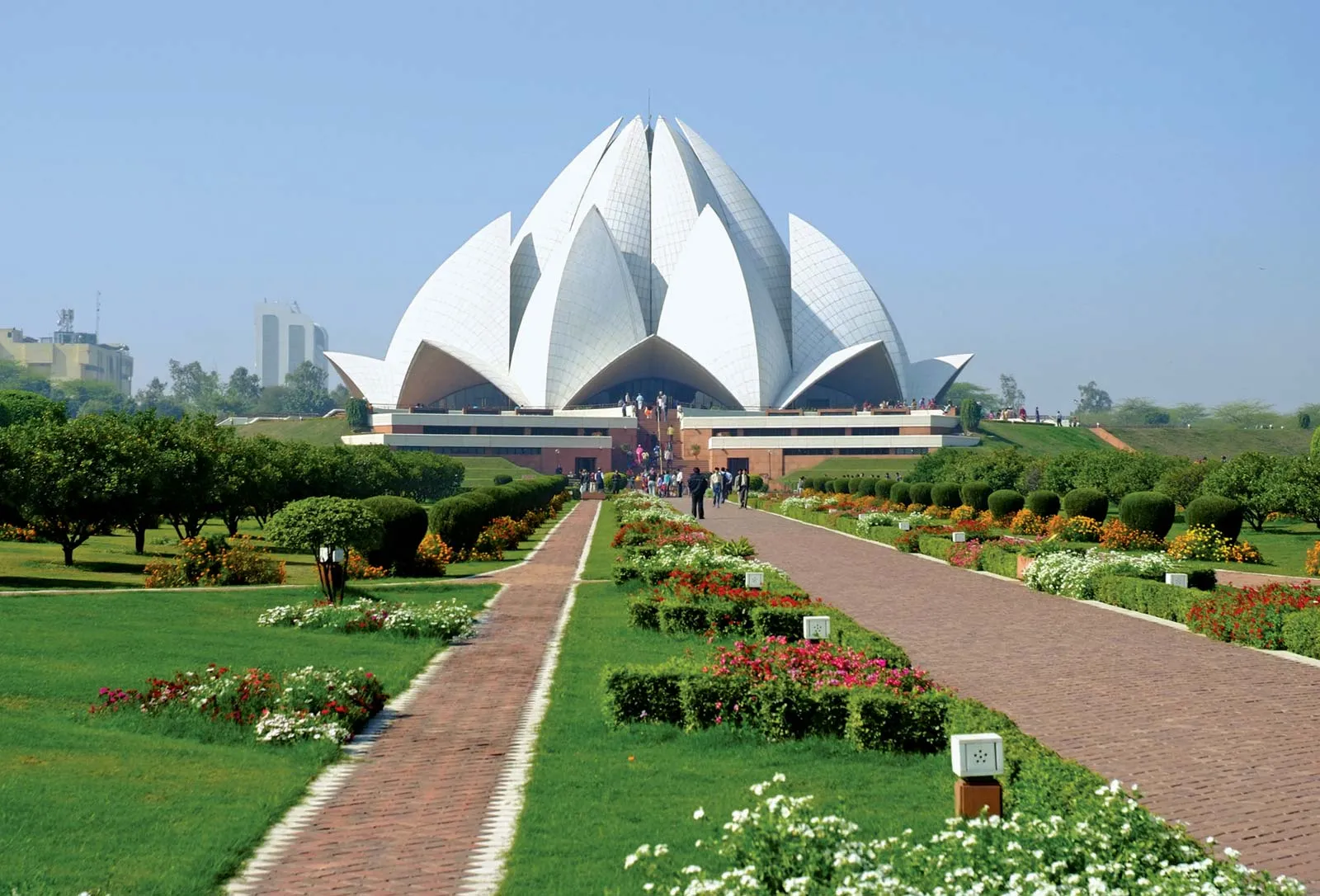
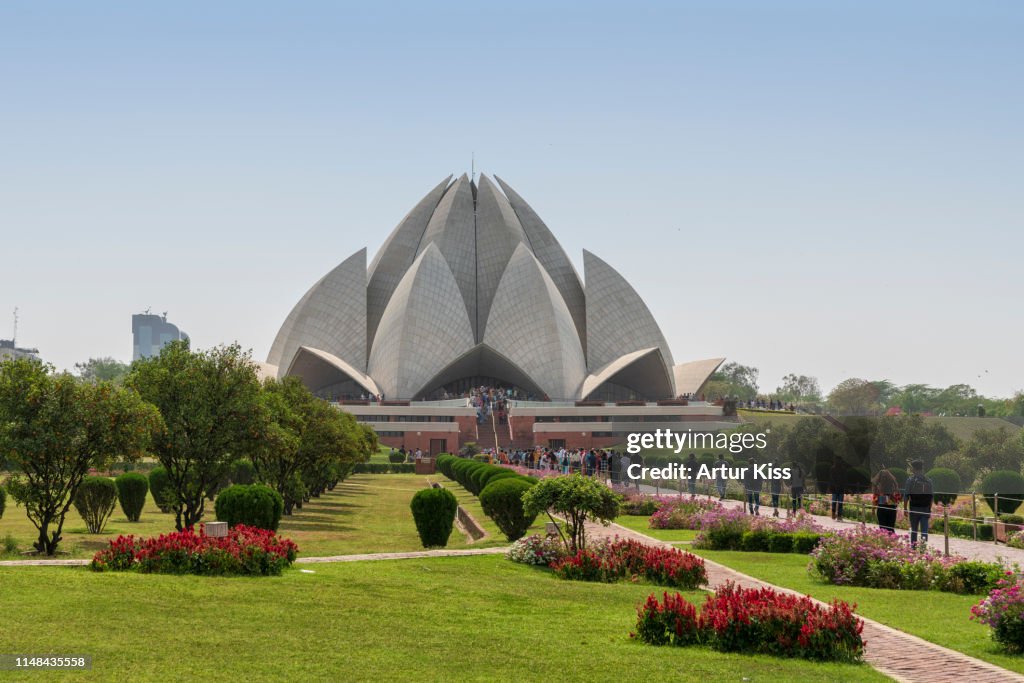
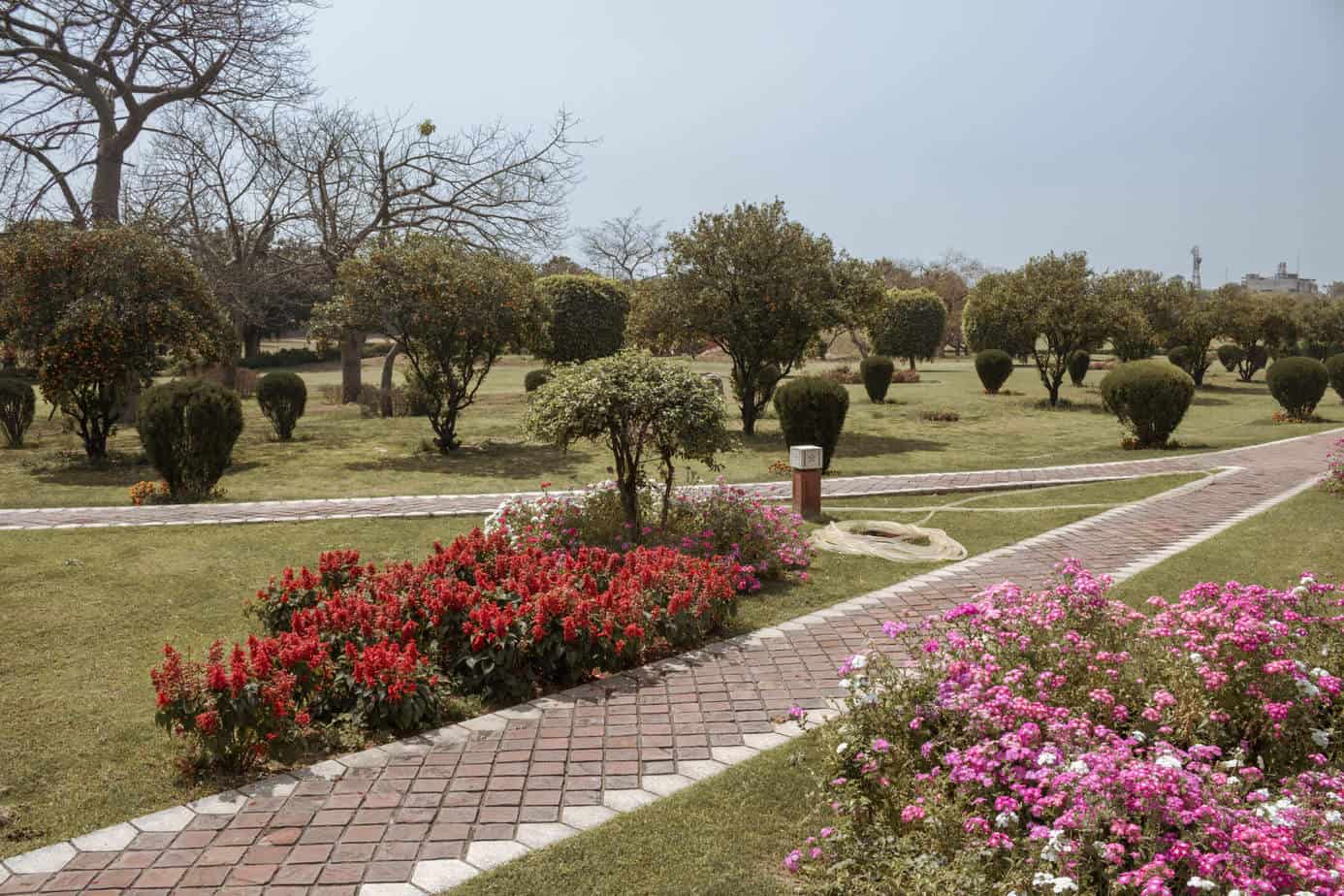
Manicured lawns, native plantings, and red sandstone walkways surround the temple across a 26-acre site, giving visitors a long approach walk before reaching the plinth.
A visitor exhibit near the exit traces the building's decade-long design process and the Bahá'í Faith's principle of unity, using models and panels rather than religious imagery.
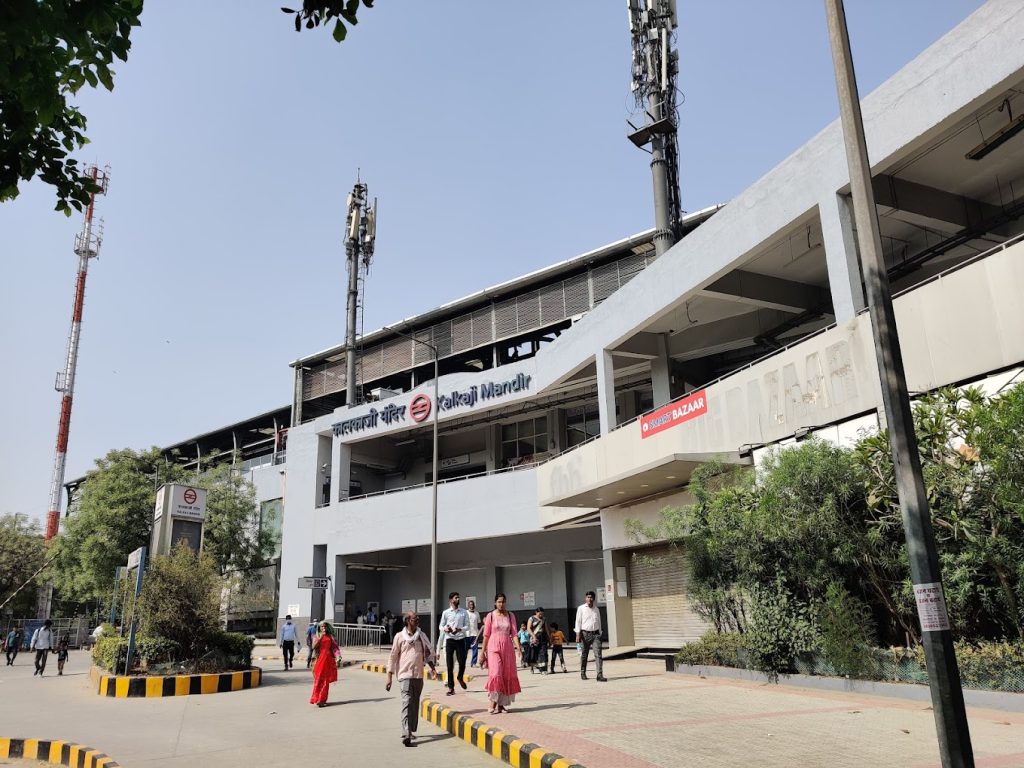
You reach Lotus Temple Rd from Kalkaji Mandir metro and walk the last few hundred metres past vendors selling chilled nimbu pani. The gate opens at 09:00, and arriving between 09:00 and 10:30 puts you ahead of the coach groups.
Lotus Temple Tickets tickets are not required at the entrance — admission is 0 INR — so you join the queue directly.
You leave your shoes at the free counter and feel the marble path underfoot, still cool this early in July. The approach is deliberately long. You climb the low terrace steps, and the petals resolve from a single white mass into twenty-seven distinct shells, each seam visible only from close range. Volunteers in plain clothes direct you with hand signals rather than speech.
At the threshold, you stop talking. Inside, you take one of the 1,300 seats and look up into the ribbed inner dome, where daylight arrives filtered and sourceless. Nobody addresses the room. You stay ten minutes or forty; nobody hurries you.
Back outside, you circle the nine reflecting pools clockwise, watching the petals invert in the water. You detour through the information centre, then walk the lawns toward the southern boundary where the gardens thin and the city returns — horns, dust, the flyover. Closing is 17:30, and Mondays the gates stay shut.
All the details about your upcoming adventure in one place
The Bahá'í House of Worship in Kalkaji welcomes people of every faith into a marble prayer hall surrounded by nine reflecting pools and landscaped gardens. Lotus Temple Tickets tours pair the visit with the wider Kalkaji neighbourhood, including the adjacent Bahá'í information centre and its exhibits on the temple's global sister houses of worship. Entry itself is free of charge, so guided formats mainly cover transport, interpretation, and coordination across Delhi landmarks.
Entry to one of the most-visited buildings on earth costs 0 INR. The Bahá'í House of Worship at Kalkaji admits every visitor free of charge, without ticket counter, donation box, or tiered access, and Lotus Temple Tickets sold by operators cover guiding and transport rather than admission itself.
The structure answers to a doctrine before it answers to an aesthetic. Bahá'í houses of worship must be nine-sided and domed, open to adherents of every faith, and free of pulpits, idols, and images. Persian-Canadian architect Fariborz Sahba took those constraints and reached for the lotus, a flower shared across Hindu, Buddhist, Jain, and Islamic iconography in the subcontinent. Completed in 1986, the temple gave Delhi a monument that belonged to no single community — an unusual proposition in a city whose landmarks are usually claimed.
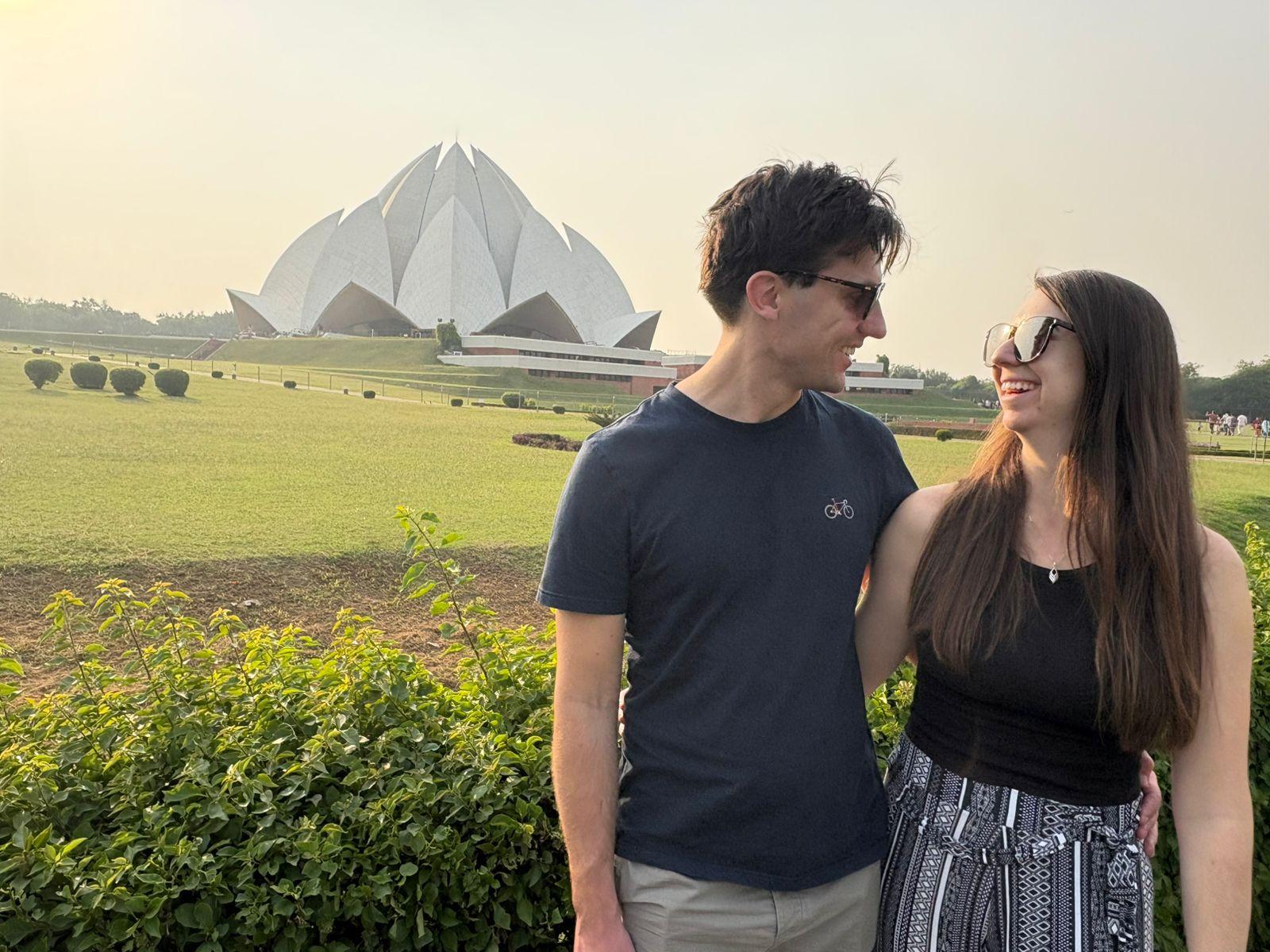
The geometry rewards slow looking. Twenty-seven free-standing marble petals cluster in groups of three to form nine sides. Nine doors open onto a central prayer hall rising roughly 34 metres, capped by an inner shell of radial ribs that scatters daylight without a single artificial fixture during opening hours. The white cladding is Penteli marble from Greece, the same quarry that supplied the Parthenon, cut in Italy and set on a frame of concrete shells that engineers spent years modelling. Nine reflecting pools ring the base, fed to double the petals in water and to cool the air drawn beneath the hall — a passive ventilation scheme that predates the current vocabulary of sustainable design. Twenty-six acres of gardens hold the noise of Nehru Place at a distance.
What sets the building apart from Delhi's Mughal-era stone is the absence of ornament. There is no calligraphy, no inlay, no figurative carving. Sound, light, and curvature do the work. Inside, 1,300 seats face no altar; scripture from any tradition may be read aloud, but nothing may be preached and no instrument may be played beyond the unaccompanied voice. The effect on arrival is acoustic before it is visual: the drop in decibels as the doors close is the building's first argument.
Recognition followed quickly. The temple has drawn awards from the Institution of Structural Engineers and appeared in architectural surveys as a rare late-twentieth-century religious structure with genuine formal ambition. For visitors comparing Delhi landmarks, it functions as the modern counterweight to Humayun's Tomb and the Qutb Minar. Guided Lotus Temple Tickets tours generally fold it into a southern-Delhi circuit with Kalkaji Mandir and ISKCON, and a well-run Lotus Temple Tickets tour will explain the nine-fold logic that most visitors otherwise walk past. Lotus Temple Tickets remain, in the end, a matter of context rather than access.

There is no calligraphy, no inlay, no figurative carving — sound, light, and curvature do the work.
Modest, comfortable clothing that covers shoulders and knees is recommended out of respect for the House of Worship, though there is no strict enforced dress code at the gate. Wear socks, since shoes are removed roughly 100 meters before the main staircase and the marble and sandstone paths can get hot underfoot in the Delhi sun.
Visitors pass through a metal detector and bag scan at the outer gate, and large bags, backpacks, and luggage are not permitted inside — they must be left at the free cloakroom near the entrance. Small handbags are generally allowed but may be hand-checked by security staff before you proceed toward the nine ponds and the petal structure.
Photography and video are permitted in the gardens, walkways, and around the nine reflecting pools, but cameras, phones, and filming are not allowed inside the central prayer hall. Tripods and drones are prohibited anywhere on the grounds, and phones must be switched to silent before entering the hall.
Children are welcome, and volunteers keep the queue moving steadily so waits with young kids stay manageable. Strollers can go as far as the base of the petal structure but not up the final steps into the hall.
The main plinth is reached by stairs, though ramps and wheelchair assistance are available near the entrance for visitors who need step-free access to the central hall. Volunteers at the site can direct wheelchair users to the appropriate approach path rather than the main pilgrim staircase.
No food, snacks, or drinks are sold inside the temple complex, and eating is not permitted on the grounds or in the prayer hall. Carry a water bottle in your bag for the walk between the gate and the petal structure, especially during Delhi's hot summer months.
Weekly closure day
Quiet weekday morning
Weekend crowds build by midday
Busiest day of the week
Hours
Tue–Sun 09:00–17:30, closed Monday
Address
Lotus Temple Rd, Shambhu Dayal Bagh, Bahapur, Kalkaji, New Delhi, Delhi 110019, India
Entry
Free entry — 0 INR, no ticket required
Best window
09:00–10:30 for the fewest crowds right at opening
Bag policy
Large bags and luggage must be checked at the cloakroom before entry
Public transport · 20-40 min from central Delhi · Metro fare roughly 10-40 INR
Take the Delhi Metro Violet or Magenta Line to Kalkaji Mandir station, then walk about 5 minutes via Gate 1 to the temple gate.
Taxi · 20-45 min depending on traffic · 300-600 INR from central Delhi
Uber, Ola, or a metered auto-rickshaw can drop passengers directly at the temple gate on Lotus Temple Rd.
Car · 30-60 min depending on origin · Parking fee applies
Paid parking is available near the temple complex off Lotus Temple Rd for visitors driving from elsewhere in the NCR.
Walk · 5-10 min from Kalkaji Mandir station · Free
From Kalkaji Mandir metro station, it is a flat, signposted 5-10 minute walk south to the entrance gate.
Entry to the Lotus Temple is free (0 INR), so there is no ticket to cancel or refund. Any third-party guided add-on booked alongside a Lotus Temple Tickets visit should be cancelled directly with that tour operator according to its own terms.
Recommended time
60-90 minutes
Most people are in and out in 60 to 90 minutes, covering the queue, the shoe deposit, a walk through the gardens, and 10-15 minutes of quiet time in the prayer hall. Booking Lotus Temple Tickets isn't necessary since entry is free, but arriving inside the 09:00-10:30 window still buys the shortest lines of the day. Add 30 minutes if you're joining one of the slower-moving skip-the-line Lotus Temple tours in a large group, and subtract time if you're happy with a quick loop past the marble petals rather than a full sit-down meditation. By late morning, school buses and tour groups stack up at the entrance gates, so the 60-90 minute estimate can stretch fast once queues form.
Crowd levels through the day
Weather · crowds · average price — dots go green to amber to red as each metric rises.
Daytime temperatures sit in the comfortable 15–25°C range, making it the most popular season and the busiest for weekend visits.
The floor between the shoe-check point and the prayer hall entrance can get hot in direct sun, so socks protect your feet on the marble and sandstone.
Weekday mornings soon after opening see noticeably shorter security lines than weekend afternoons.
Since large bags aren't allowed inside, carrying only a small handbag speeds up the security check considerably.
No drinks are sold inside the complex, so a bottle from outside the gate saves a walk back later.
Both the Violet and Magenta lines stop here, about a 5-minute walk from the gate, making it the simplest way in for most Lotus Temple Tickets tours.
Volunteers actively enforce quiet inside the central prayer hall, so save conversations for the gardens outside.
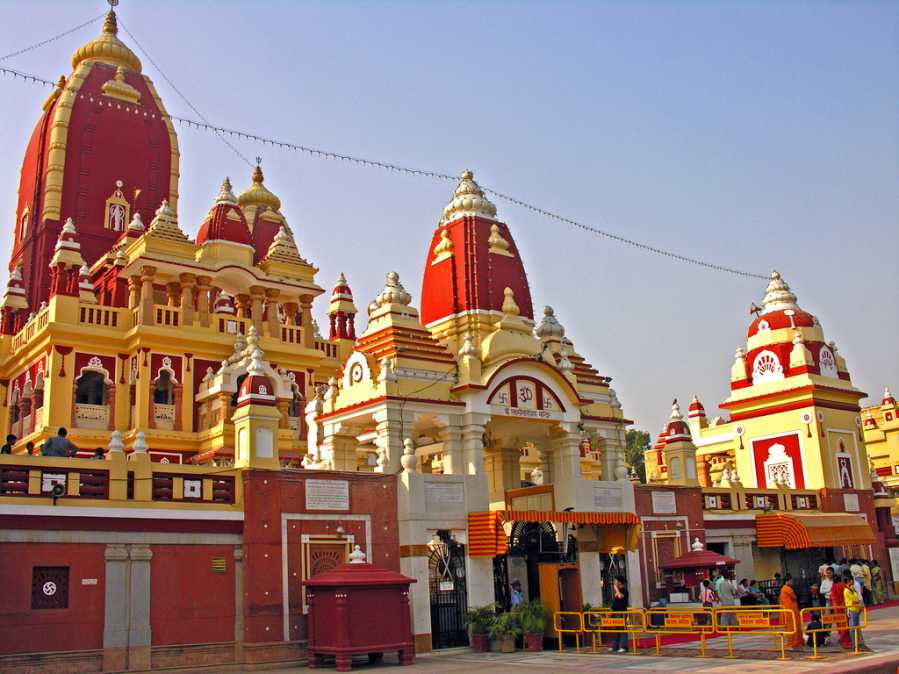
The neighboring Hindu temple sits a short walk away and pairs naturally with a Lotus Temple Tickets tour of the area.
Lotus Temple Rd, Shambhu Dayal Bagh, Bahapur, Kalkaji, New Delhi, Delhi 110019
Primary entrance where the bag check and ticket-free queue begin
Get directions
Kalkaji, New Delhi 110019
Shortest walking route to the temple, about 5 minutes on foot
Get directionsThe story begins with land, not marble. In 1953, Ardishír Rustampúr of Hyderabad, Sindh, donated his life savings to purchase roughly 26 acres at Bahapur, on the southern edge of the capital. The plot sat idle for more than two decades. In 1976 the Bahá'í community commissioned Iranian-Canadian architect Fariborz Sahba to design a House of Worship for the Indian subcontinent. Sahba spent months travelling India, studying temple forms, before settling on the lotus — a flower shared across Hindu, Buddhist, Jain and Islamic imagery. Visitors researching Lotus Temple Tickets rarely hear how long that gestation took. Engineering the flower proved harder than drawing it. The structural firm Flint & Neill, working with Sahba, resolved the design into 27 free-standing marble-clad petals arranged in three ranks of nine. Construction began in April 1980 and continued until 1986. The petals are thin-shell concrete, some as slender as 133 millimetres, cast on site against timber and steel formwork by a workforce of roughly 800. Geometry was the obstacle: each shell is a compound curve derived from spheres and cones, and no two panels repeat. Cladding came from Penteli, the Greek quarry that supplied the Parthenon, cut in Italy and shipped to Delhi. Nine reflecting pools ring the base, doubling as part of the natural ventilation system that draws air through the basement. Anyone comparing Lotus Temple Tickets tours to other New Delhi landmarks will find few structures of comparable complexity built in that decade. The building was dedicated in December 1986 and opened to the public on 1 January 1987. Recognition followed quickly. The Institution of Structural Engineers awarded it a 1987 prize for excellence in concrete; the American Concrete Institute cited it in 1990; GlobArt Academy honoured Sahba in Vienna in 2000. The house of worship at Kalkaji remains free to enter, its interior a single unadorned prayer hall seating some 1,300, without altar, pulpit or images. Those booking a Lotus Temple Tickets tour, or arriving without any Lotus Temple Tickets tickets at all, encounter the same marble Sahba specified four decades ago.
Ardishír Rustampúr donates his savings to buy the Bahapur land at Kalkaji.
Fariborz Sahba is commissioned to design the House of Worship and begins touring India for source imagery.
Flint & Neill resolve the lotus form into 27 thin-shell concrete petals in three ranks of nine.
Construction begins on site, eventually employing around 800 workers.
Pentelic marble from Greece is cut in Italy and fitted to the compound-curved shells.
The building is dedicated, opening to the public on 1 January 1987.
Structural and concrete institutes in Britain and America award the design for engineering excellence.
Sahba receives the GlobArt Academy award in Vienna for the building's role in drawing visitors of all faiths.
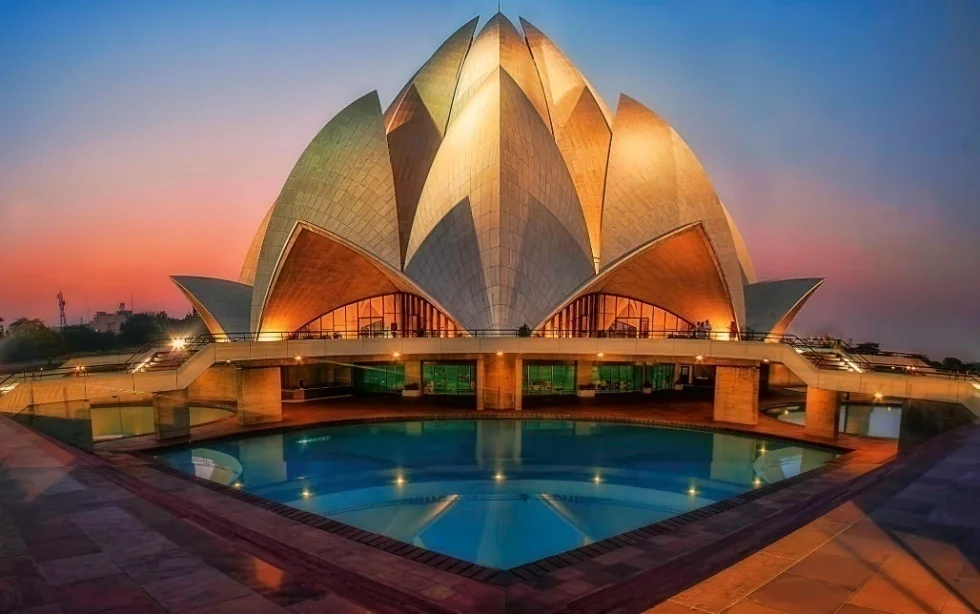
The pools ring the petal clusters at ground level and mirror the marble in still water, giving the classic floating-lotus shot. Stand at the pool edges along the perimeter path rather than the bridge for a low, symmetrical reflection angle. Best captured when the water is calm, before wind picks up later in the day.
The raised approach bridge leading toward the main stairway frames the petal clusters rising above the pools and gives visitors planning a Lotus Temple Tickets visit their first full view of the structure. Shoot from the midpoint of the walkway for a centered, head-on composition of the 27 marble petals. Crowds thin fastest right after opening.
The outer corners where three petals meet offer a tighter, more graphic angle showing the marble seams and curvature up close. Walk the perimeter path clockwise from the entrance to find the sharpest corner angles catching side light. Popular for detail-oriented architectural shots rather than wide views.
The open lawn south of the main pools is the spot for a full wide shot that captures the temple, pools, and gardens together in one frame, useful for anyone comparing this to other Delhi landmarks tour photo stops. Stand well back from the water's edge to fit both the building and its reflection. Works well for group or panoramic shots away from the bridge crowds.
The landscaped garden paths leading up from the outer gate give a layered shot of trimmed hedges, pools, and petals receding into the distance. This spot suits visitors booking a Lotus Temple Tickets tour who want a less crowded, greener frame than the main bridge. Photography here is unrestricted since it's entirely outdoors.
Booking Lotus Temple Tickets costs nothing, but visiting with kids still needs a plan: the outdoor approach is stroller-friendly, though the barefoot marble floor of the hall can feel scorching in summer sun and cold on winter mornings.
Paved paths around the nine pools handle strollers fine, but you'll fold and carry it through the shoe-check point before the hall, so pick a lightweight, collapsible model for this stretch.
Kids from about age 5 up manage the quiet-hall expectation better; toddlers often struggle sitting still and are better kept in the gardens while one parent takes the hall turn.
Restrooms and drinking water points sit near the visitor centre, and free wheelchairs can be requested there too, useful if a child tires mid-walk.
Budget extra time before the hall entrance itself, since the queue moves in waves and shuffling barefoot kids across warm or cold marble is slower than adults expect.
Snacks and drinks stay outside the complex entirely, so feed children beforehand or plan a stop afterward rather than mid-visit.
Covered shoe-storage areas offer brief shelter, but a Delhi landmarks tour pairing this stop with an indoor museum works better if monsoon rain is forecast.
Real experiences from real travelers
We arrived around six and the marble had gone soft gold, which made the whole approach worth the walk from Kalkaji Mandir metro. Booking Lotus Temple Tickets ahead saved us standing in the sun. The prayer hall inside is cooler than you expect and completely silent.
The Bahá'í House of Worship is genuinely calm inside despite the crowds outside on the lawns. Walking barefoot across warm sandstone in May was a small ordeal but the reflecting pools make the exterior worth it. Simple architecture that photographs better than any picture prepares you for.
I liked that the design has nine entrances and nine pools, which our guide explained clearly. The Delhi landmarks circuit we did included this alongside Humayun's Tomb and it was the most peaceful stop. Only note is that the queue moves slowly at midday.
Kamal Mandir, as locals call it, sits on a rise so you see the petals from far off along the road. The Lotus Temple Tickets tour we joined covered the Bahá'í background without rushing anyone. Bring socks if you visit when the stone is hot.
Visited during a break in the rain and the wet marble reflected the grey sky beautifully. The interior hall has no idols or altar, just benches and light from above, which surprised my group. Staff were polite about keeping voices down.
I have passed this place many times but only went inside this year. The lotus-shaped structure is much larger up close than it appears from the ring road. Nothing is sold inside, so eat before you come.
January mornings in Delhi are foggy and the petals emerged slowly as we walked up, which was a nice effect. Our skip-the-line Lotus Temple entry meant less waiting at the shoe counter. The gardens around it are well kept and green.
The white marble came from Greece and the whole shell is built from twenty-seven petals in clusters of three. We combined the Lotus Temple Tickets tours option with a short stop at nearby ISKCON and it flowed well. Silence in the hall is enforced and it genuinely helps.
Delhi in late summer is punishing but the prayer hall stays noticeably cooler under the dome. The reflecting pools around the base are the best angle for photos of the lotus form. Getting Lotus Temple Tickets in advance is sensible on weekends.
After the noise of Old Delhi this was the calmest hour of our trip. The Bahá'í temple welcomes anyone regardless of faith and nobody asks questions at the door. Marble, water, and quiet — that is the whole experience.
Everything you need to know for your journey
No advance booking is needed for Lotus Temple Tickets since entry is free and open to all visitors on a walk-in basis.
The temple is open Tuesday through Sunday from 09:00 to 17:30, and closed all day Monday.
No, the Lotus Temple observes a weekly closure every Monday; it is open the remaining six days of the week.
Large bags and luggage must be left at the free cloakroom before entering, and all visitors pass through a metal detector and bag scan at the gate.
Photography is allowed outdoors around the nine ponds and gardens, but cameras, phones, and filming are not permitted inside the central prayer hall.
Arriving between 09:00 and 10:30, right after opening, brings the fewest crowds for a Lotus Temple Tickets visit.
There's no strictly enforced dress code, but modest clothing and socks (for the barefoot walk inside) are recommended.
No food or drinks are sold or allowed inside the complex, so bring water and eat beforehand or afterward nearby.
Take the Delhi Metro Violet or Magenta Line to Kalkaji Mandir station, then walk about 5 minutes to the entrance gate.
Yes, children are welcome on Lotus Temple Tickets tours, though strollers cannot go up the final steps into the prayer hall.
Since entry is free, there is no ticket to cancel; only third-party guided add-ons carry their own operator-specific cancellation terms.
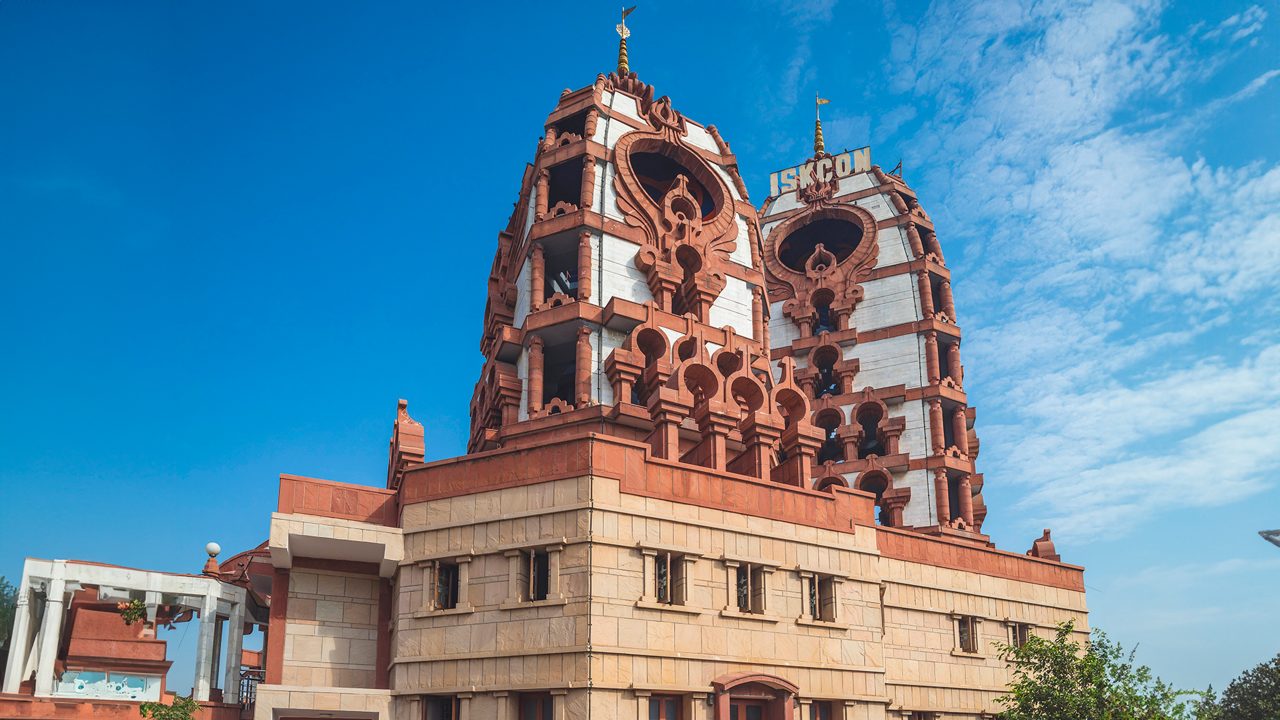
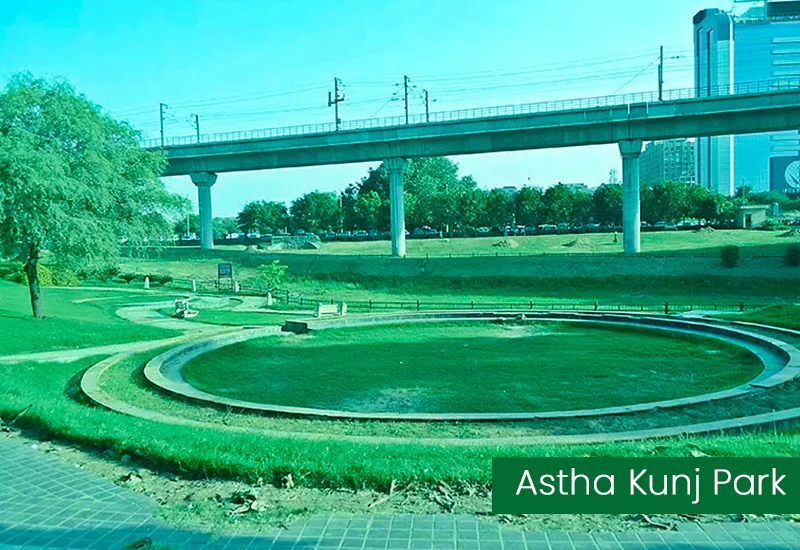
Kalkaji Mandir, the ISKCON Temple, and Aastha Kunj park are all within a 10-15 minute walk and combine well with New Delhi landmarks nearby.
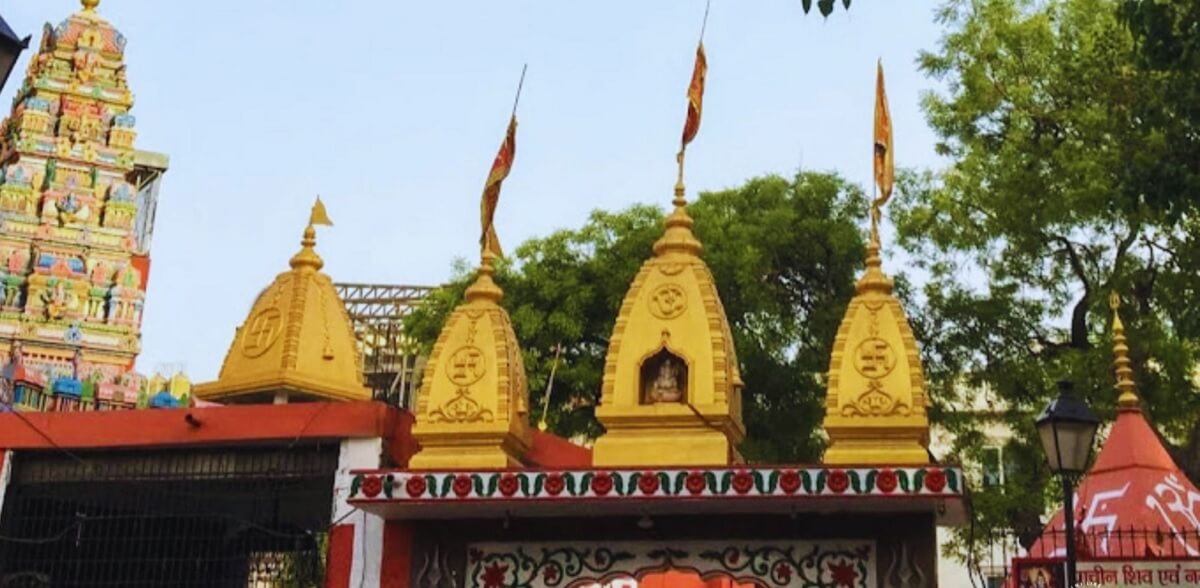
An ancient Hindu temple dedicated to goddess Kalka, standing near the same metro interchange as the Lotus Temple.
A large Krishna temple complex known for its elaborate shrines and evening aarti ceremonies.
A 200-acre landscaped park sitting between the Lotus Temple and Nehru Place, popular for a quiet walk after the temple visit.
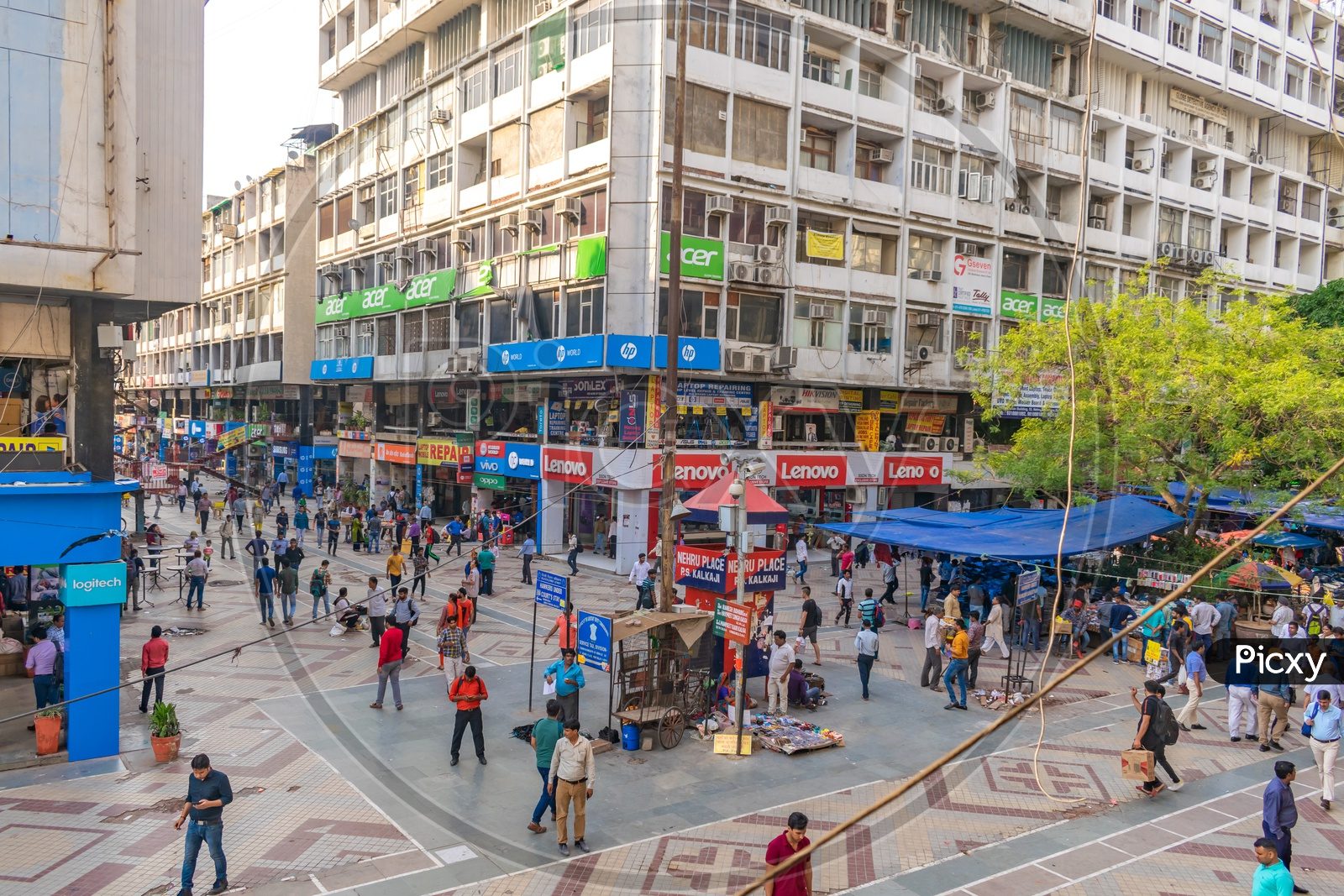
A busy commercial and electronics market district that also has cafes and casual dining options.
A neighborhood Shiva temple known for its distinctive architecture and daily worship activity.
A commercial South Delhi district with a mix of business hotels convenient for a Lotus Temple Tickets visit combined with Nehru Place shopping.
A residential and market district with mid-range hotels and easy road access to Kalkaji.
Home to upscale hotels and the Select Citywalk mall, a common base for visitors touring South Delhi landmarks.
Join thousands of happy travelers who have discovered this incredible experience
Book Your Experience Now